New publication! Congratulations to Claire on her work in Advanced Biology!

Congratulations to Dr. Claire Cook on her recent co-authored publication in Advanced Biology. Congrats, also, to Dr. Nico Mesyngier for the work he contributed to this publication!

CellMag-CARWash: A High Throughput Droplet Microfluidic Device for Live Cell Isolation and Single Cell Applications
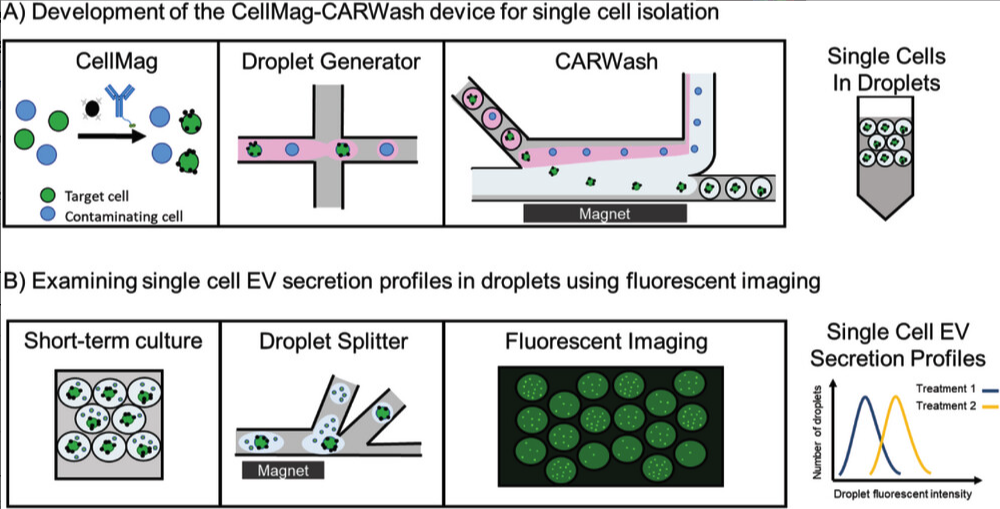
Abstract: The recent push toward understanding an individual cell's behavior and identifying cellular heterogeneity has created an unmet need for technologies that can probe live cells at the single-cell level. Cells within a population are known to exhibit heterogeneous responses to environmental cues. These differences can lead to varied cellular states, behavior, and responses to therapeutics. Techniques are needed that are not only capable of processing and analyzing cellular populations at the single cell level, but also have the ability to isolate specific cell populations from a complex sample at high throughputs. The new CellMag-Coalesce-Attract-Resegment Wash (CellMag-CARWash) system combines positive magnetic selection with droplet microfluidic devices to isolate cells of interest from a mixture with >93% purity and incorporate treatments within individual droplets to observe single cell biological responses. This workflow is shown to be capable of probing the single cell extracellular vesicle (EV) secretion of MCF7 GFP cells. This article reports the first measurement of β-Estradiol's effect on EV secretion from MCF7 cells at the single cell level. Single cell processing revealed that MCF7 GFP cells possess a heterogeneous response to β-Estradiol stimulation with a 1.8-fold increase relative to the control.
Click here for the full article!

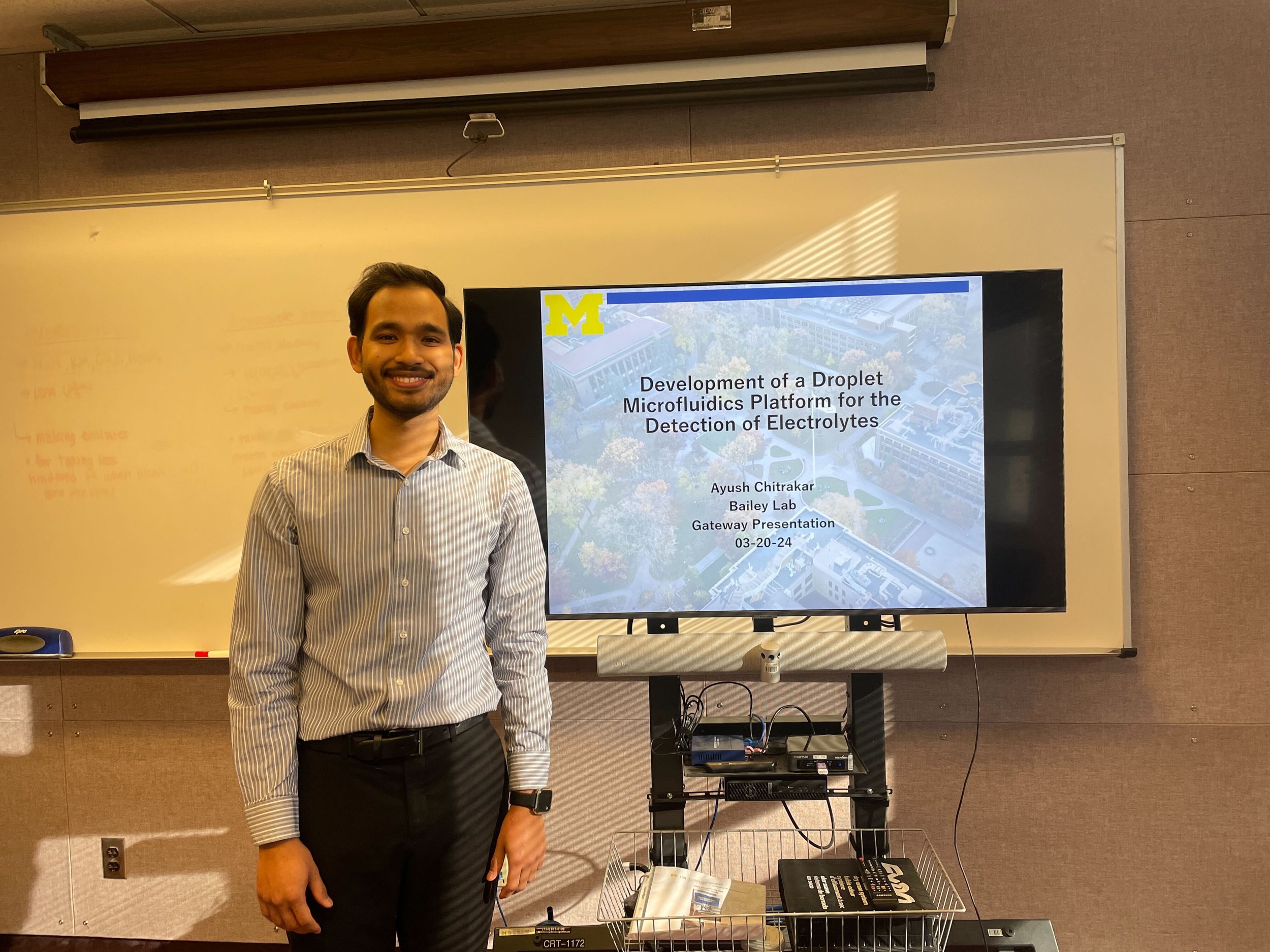
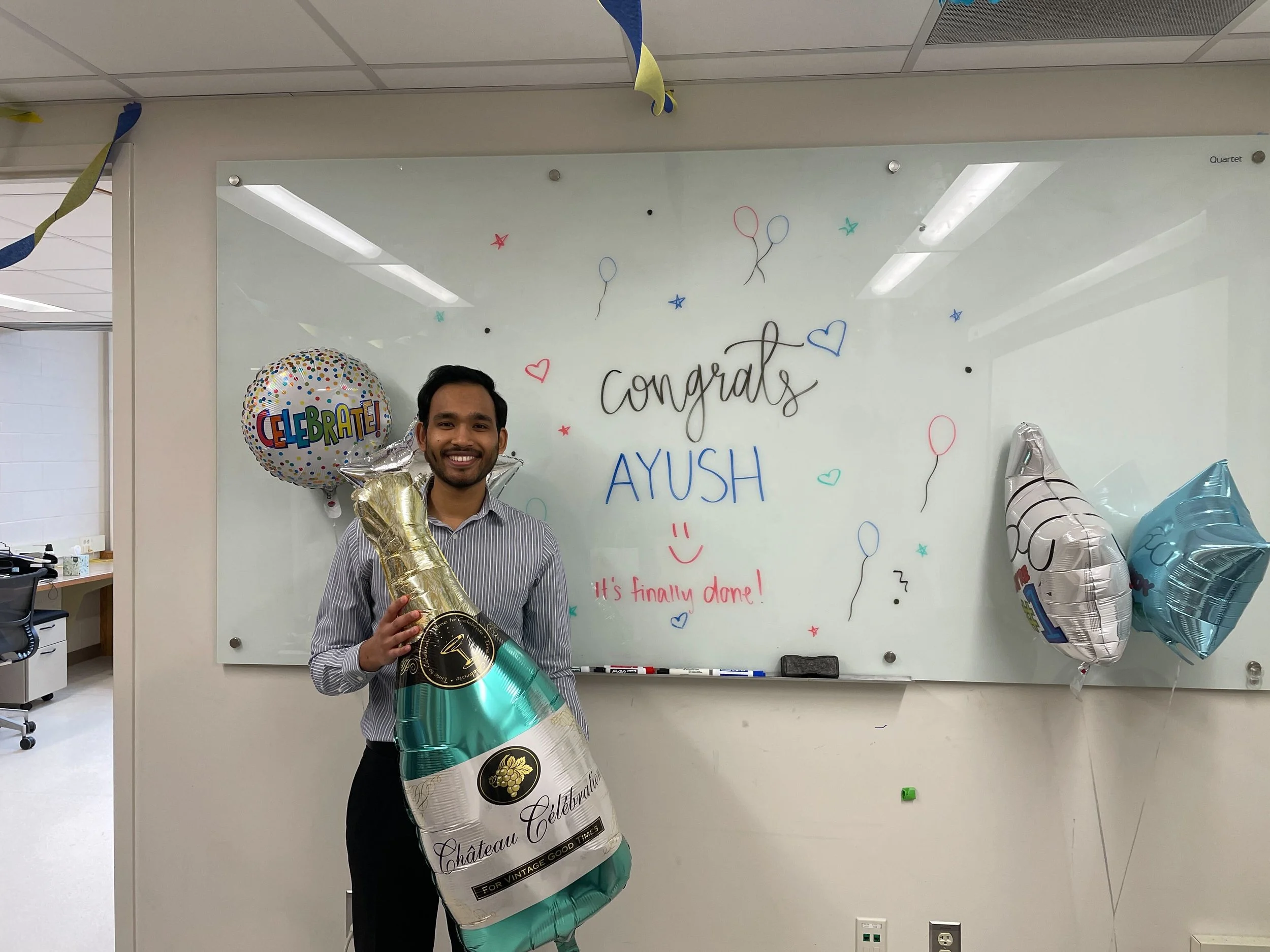
Agilent Symposium 2024!

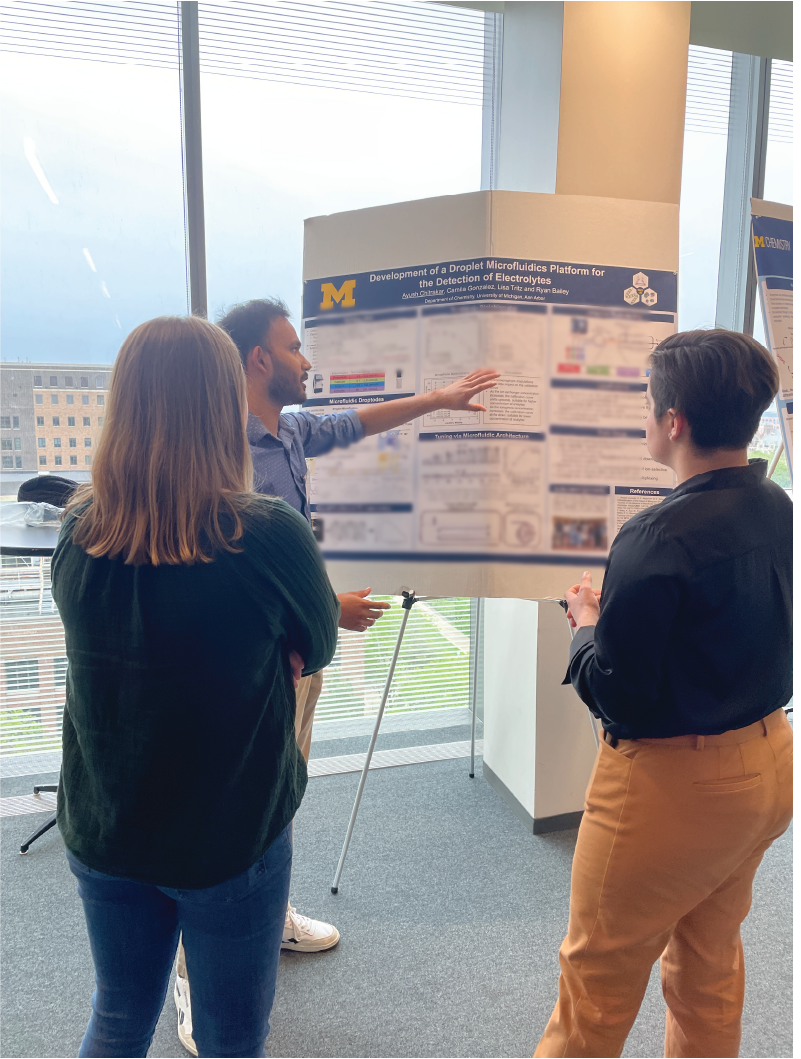
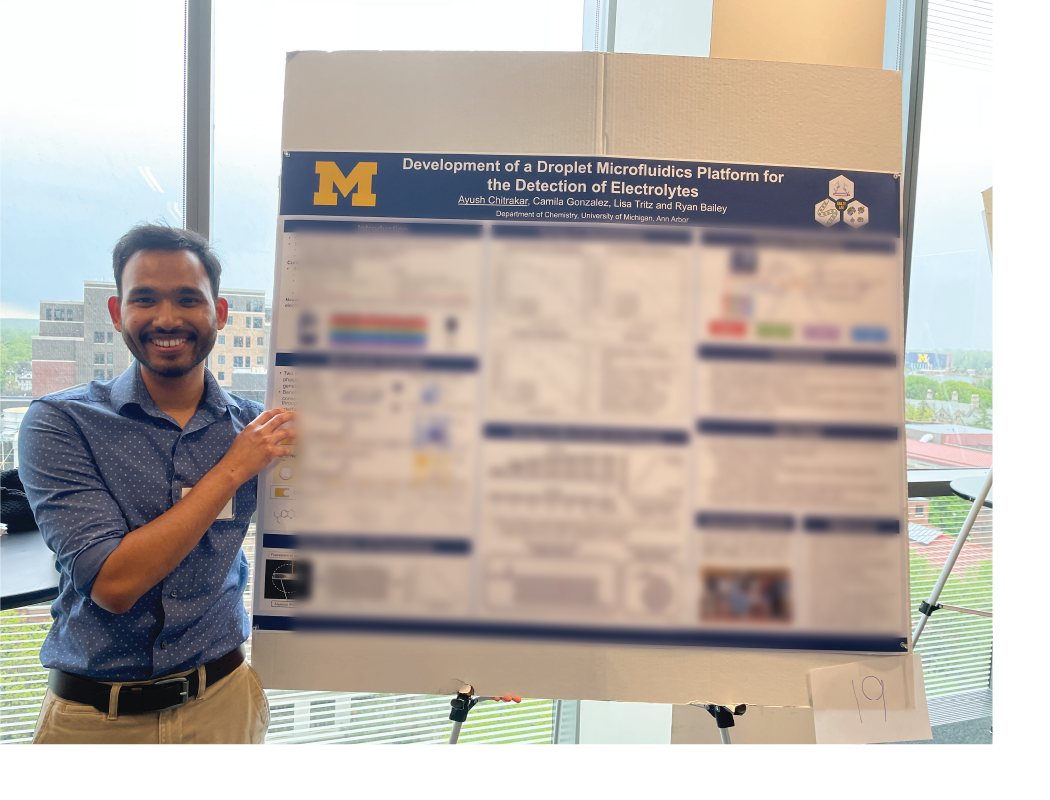
Many Bailey Lab members attended the 3rd annual Agilent symposium at Weiser hall on May 7th, 2024! Invited speakers spanned academia and industry, with Professor Scott McLuckey (Purdue University), Dr. Joseph Meeuwsen (Agilent), and Professor Kevin Plaxco (University of California, Santa Barbara) giving the keynote lectures. The symposium also included student presentations from our colleagues in neighboring labs, a Q&A panel with industry scientists, and two poster sessions. Our very own Ayush talked about his recent work in a great poster presentation! Way to go, Ayush! We would like to thank the organizers of the event and we are looking forward to next years symposium!
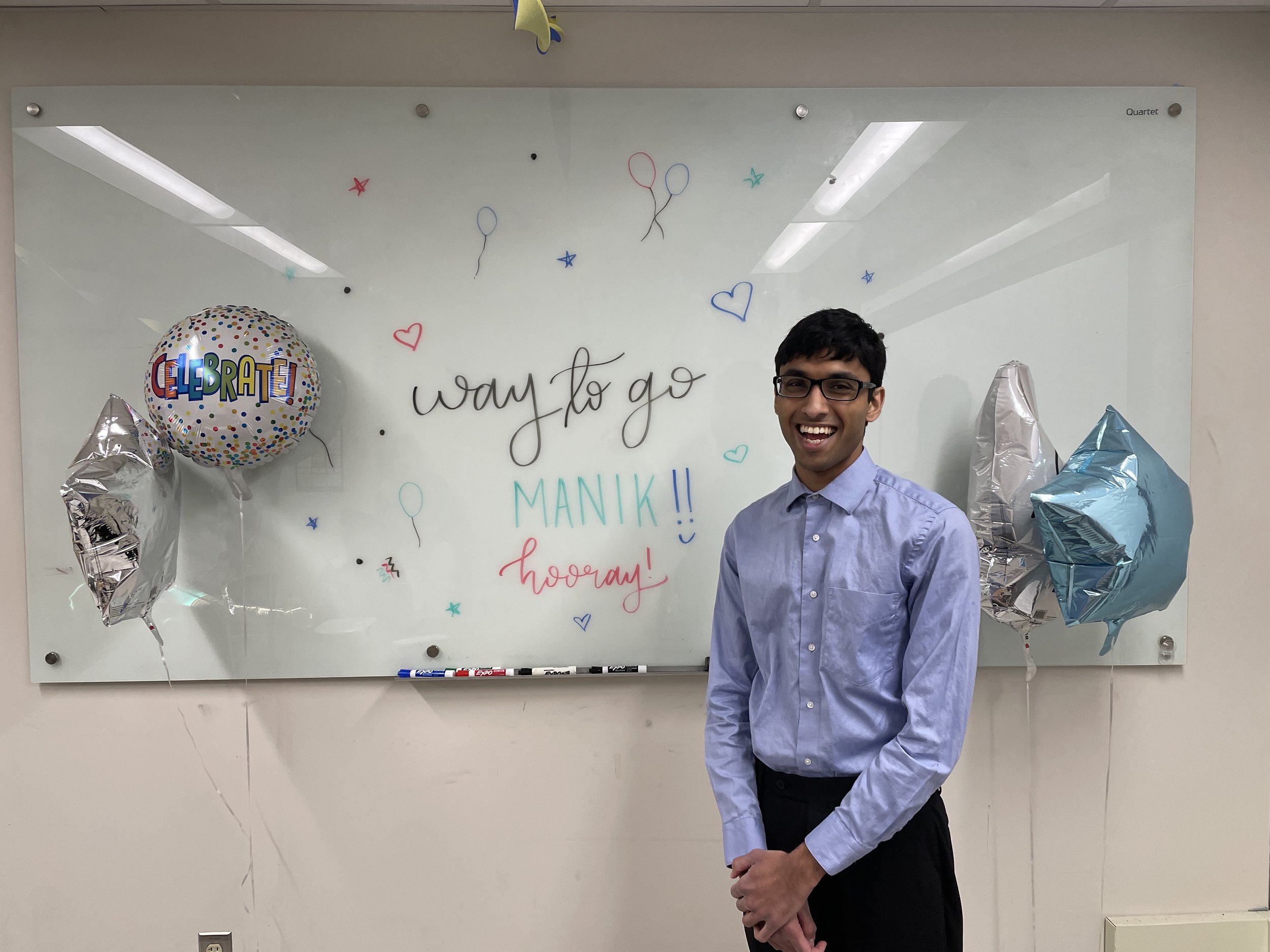
Manik completes his gateway exam!!

Congratulations to 2nd-year PhD candidate, Manik Reddy, for passing his gateway exam! His project proposal was titled “Derivation of Diagnostic and Prognostic Biomarker Signatures via Multiplexed Microring Resonator Immunoassays”. Here’s to successful microring applications in the years to come!

Congrats, Manik, on completing this huge milestone in your graduate school journey. We are so proud of you!

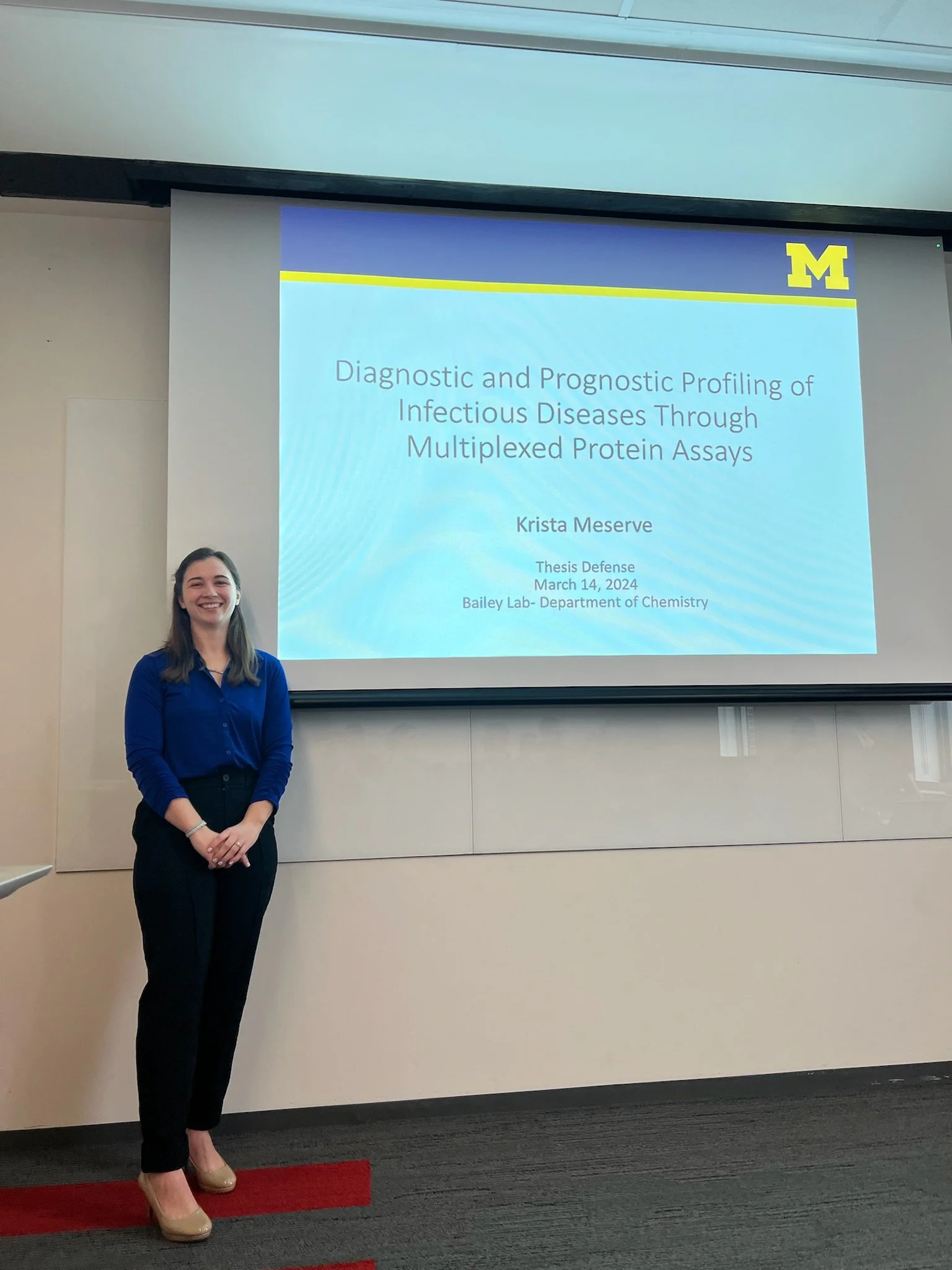
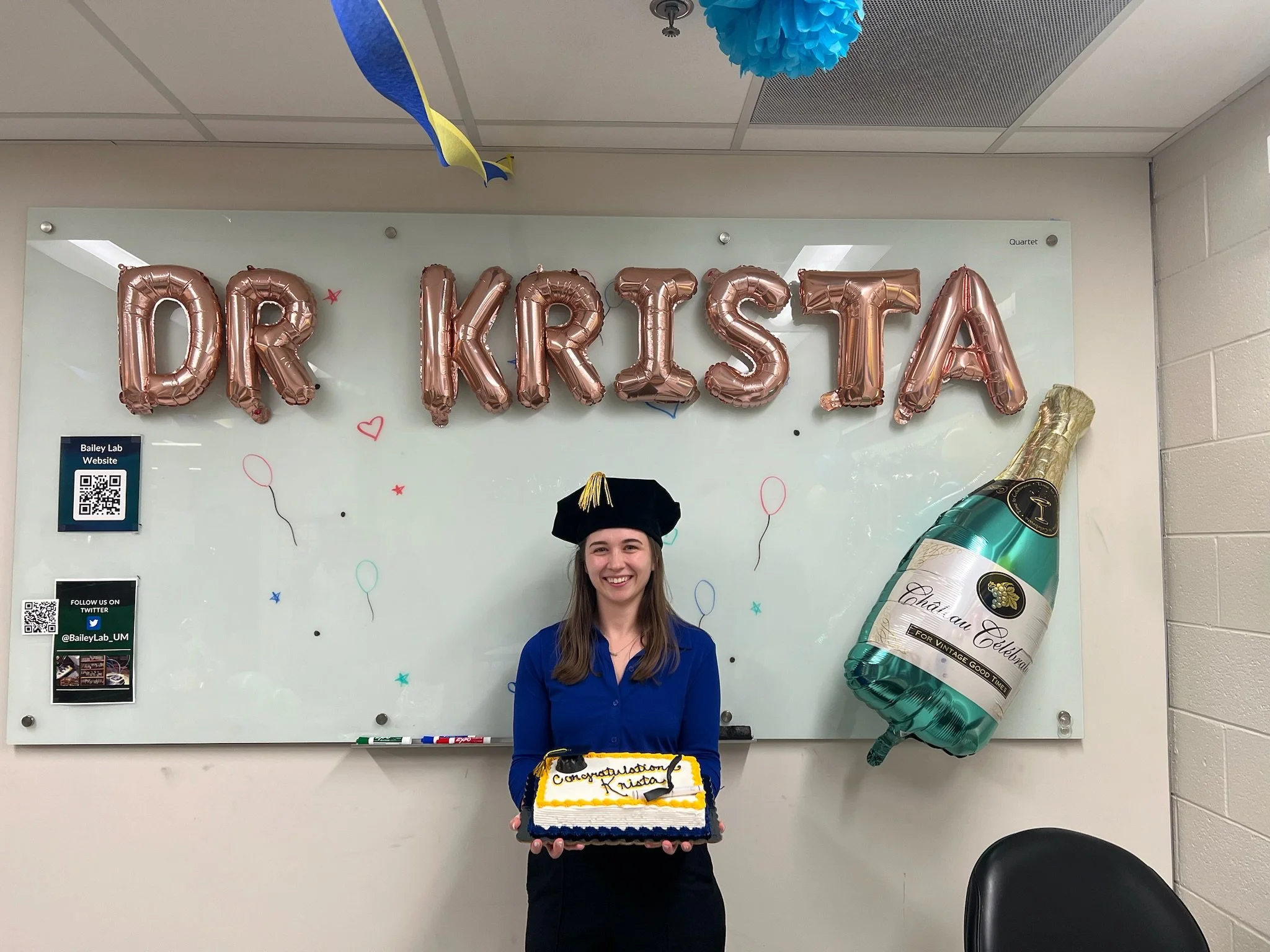
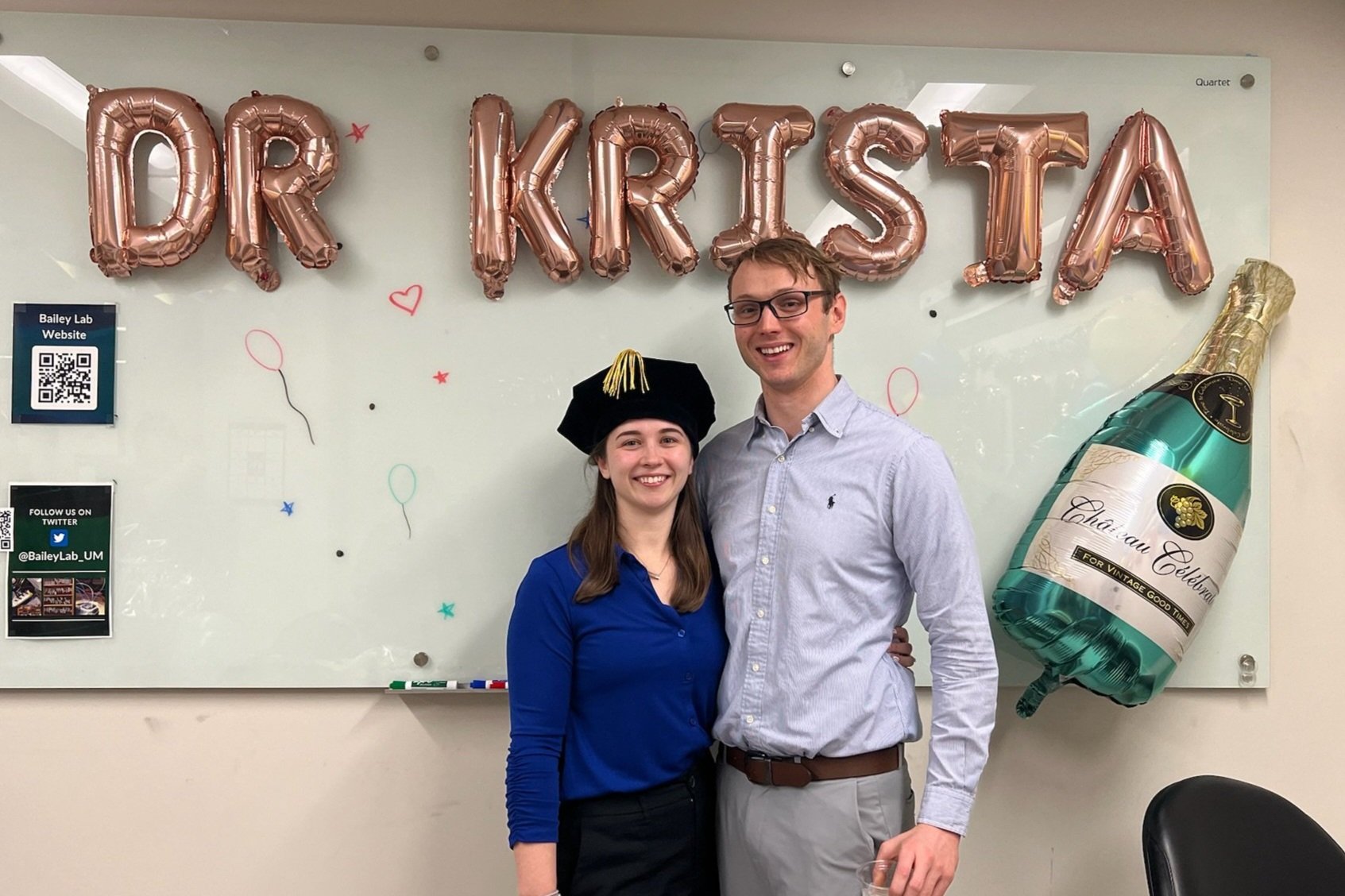
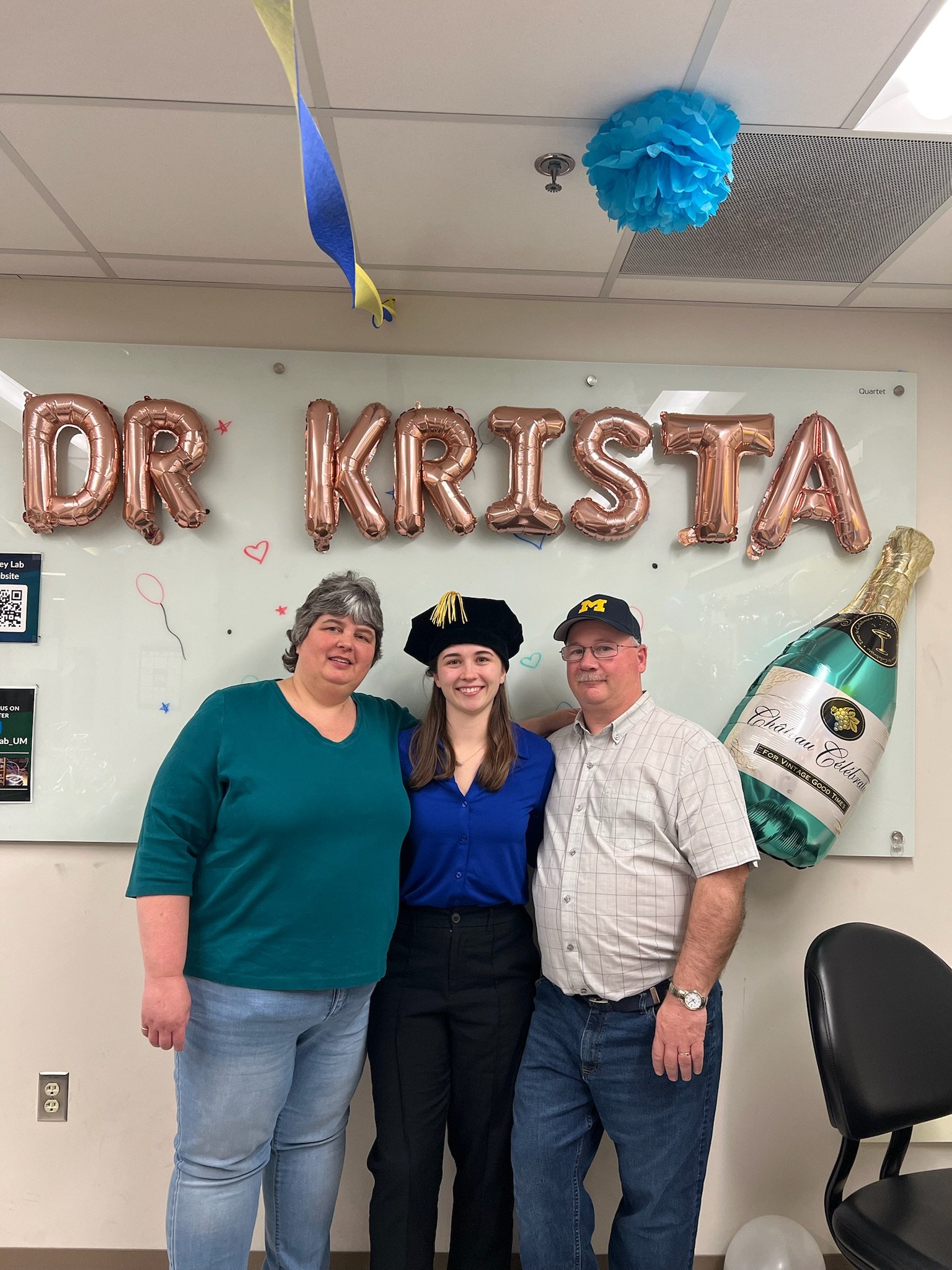
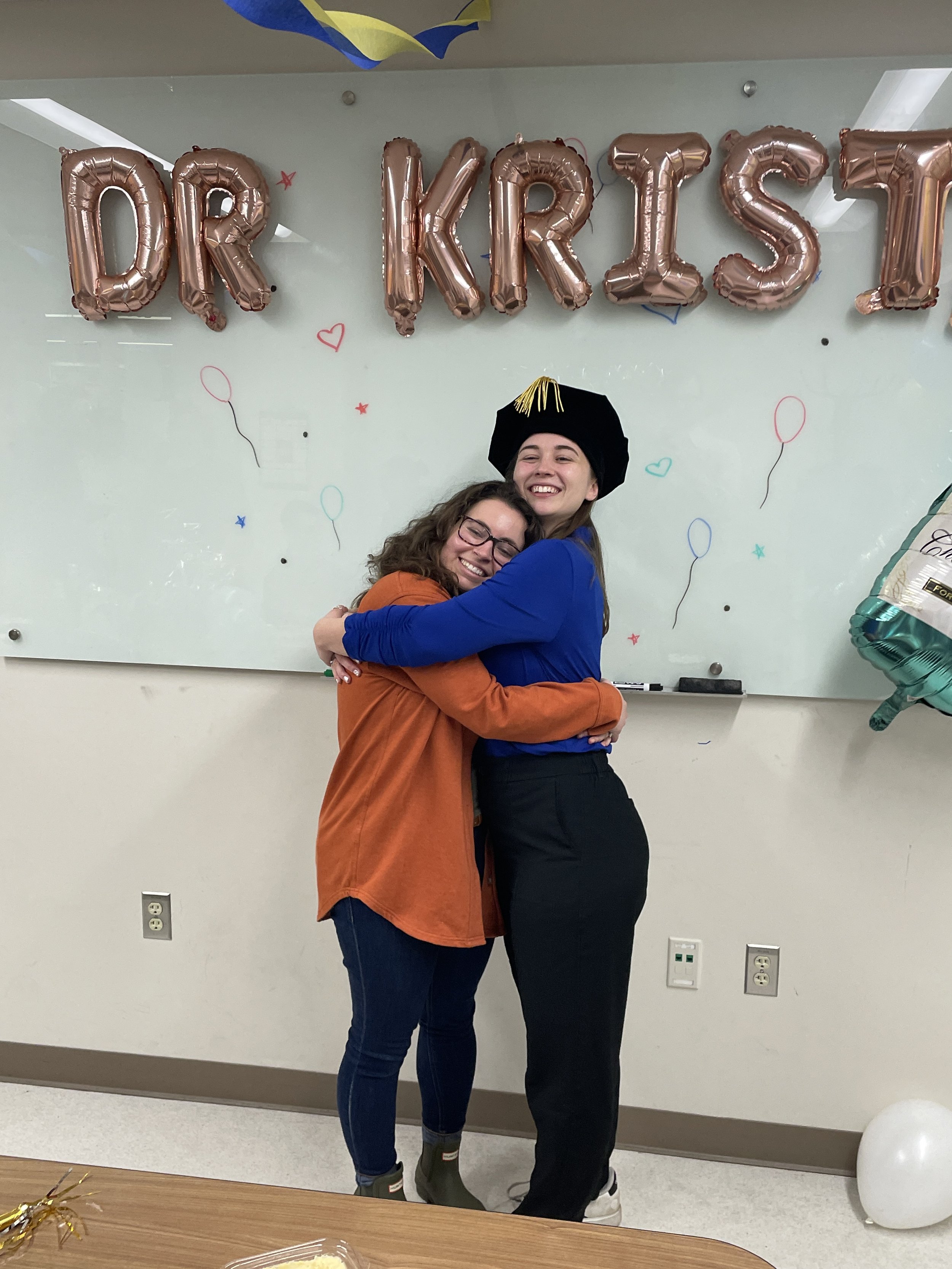
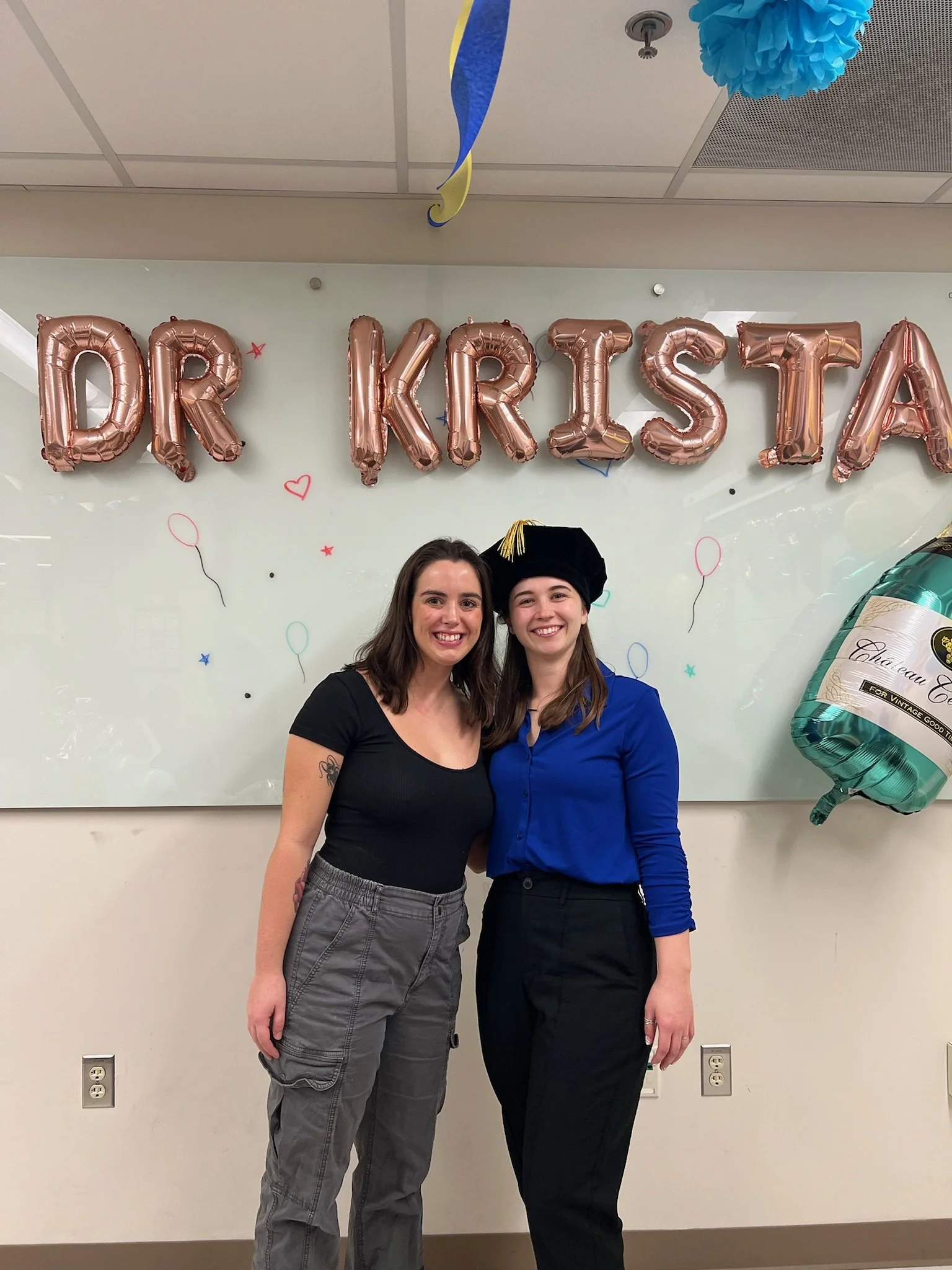
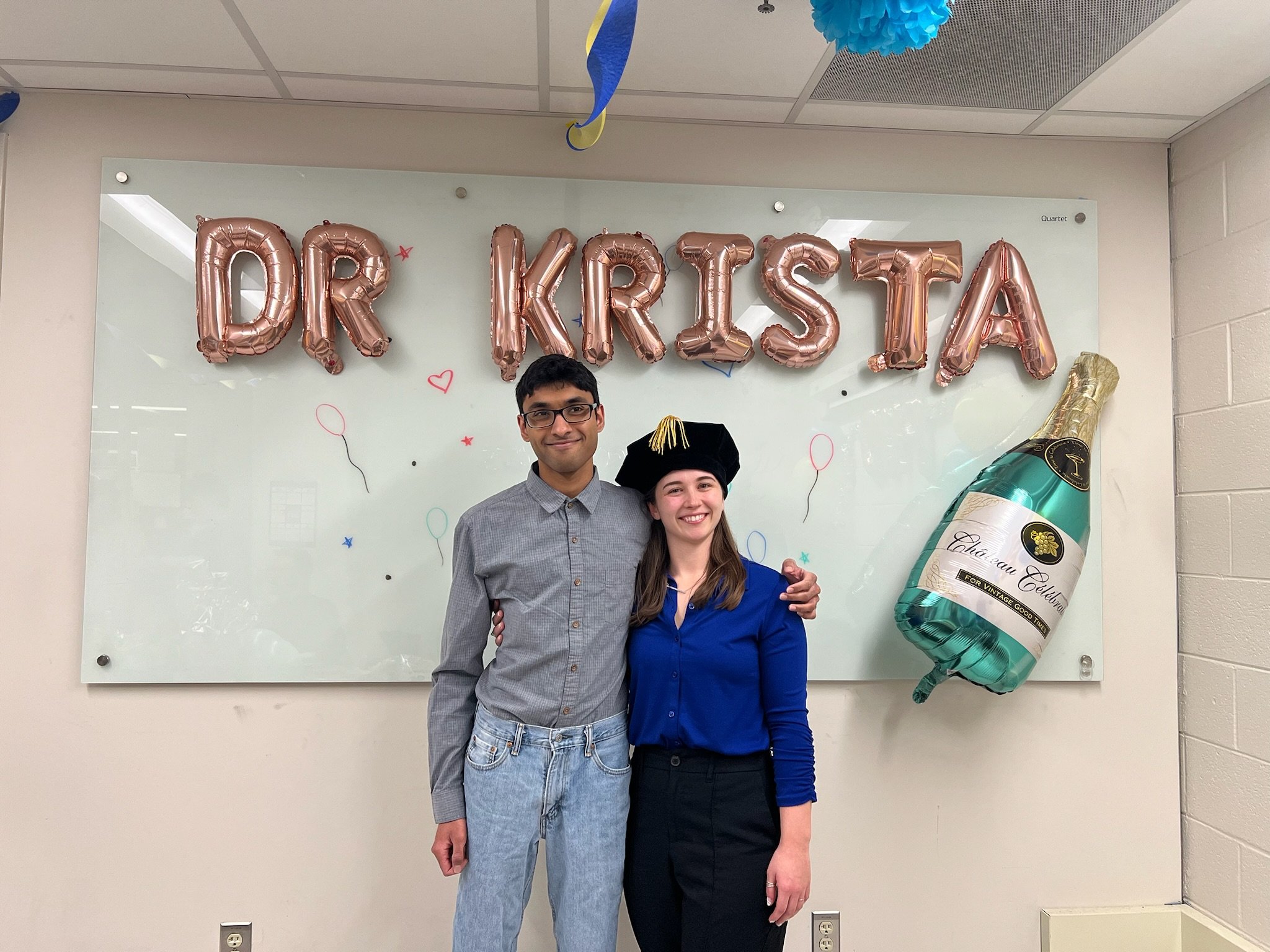
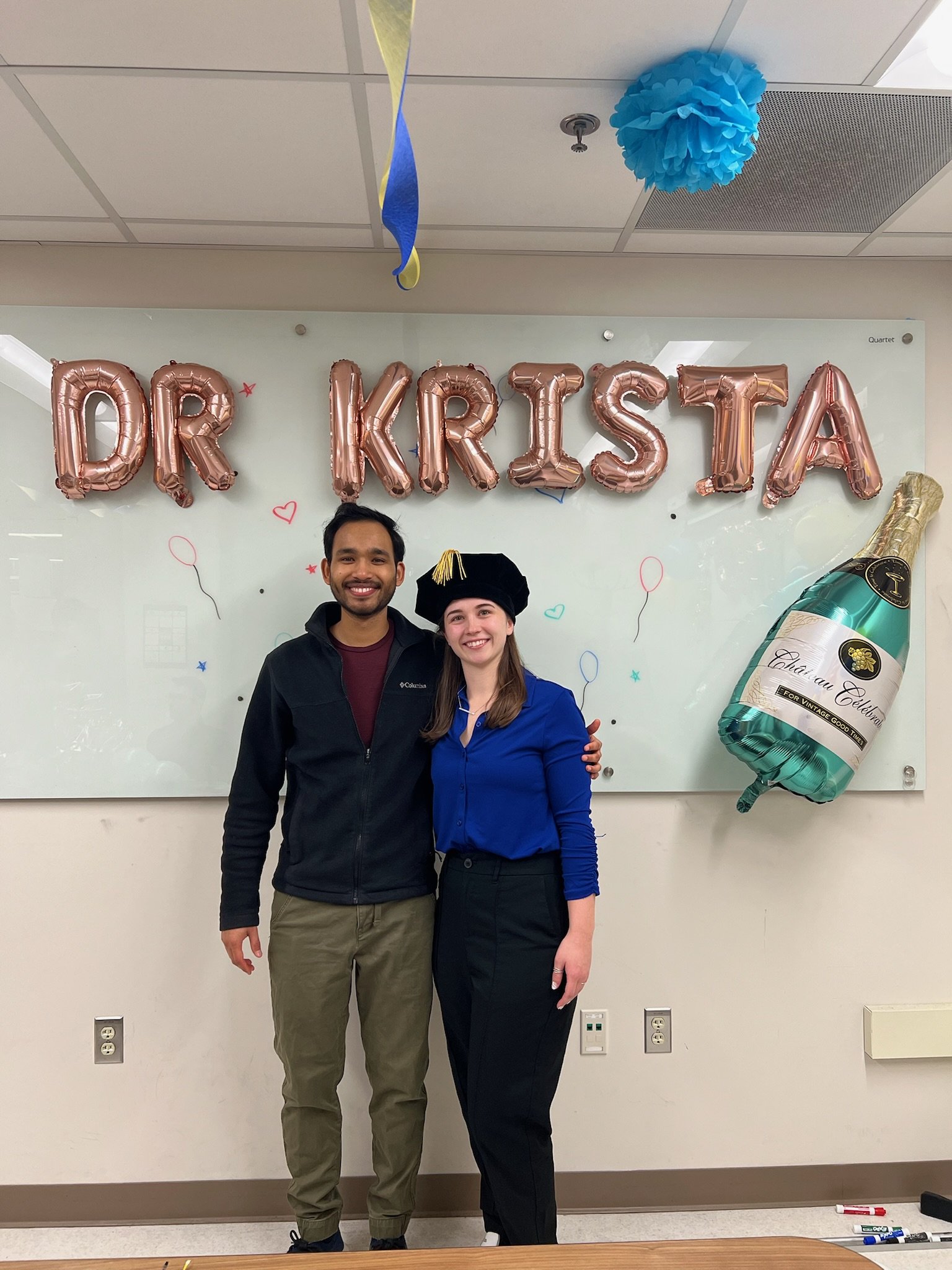
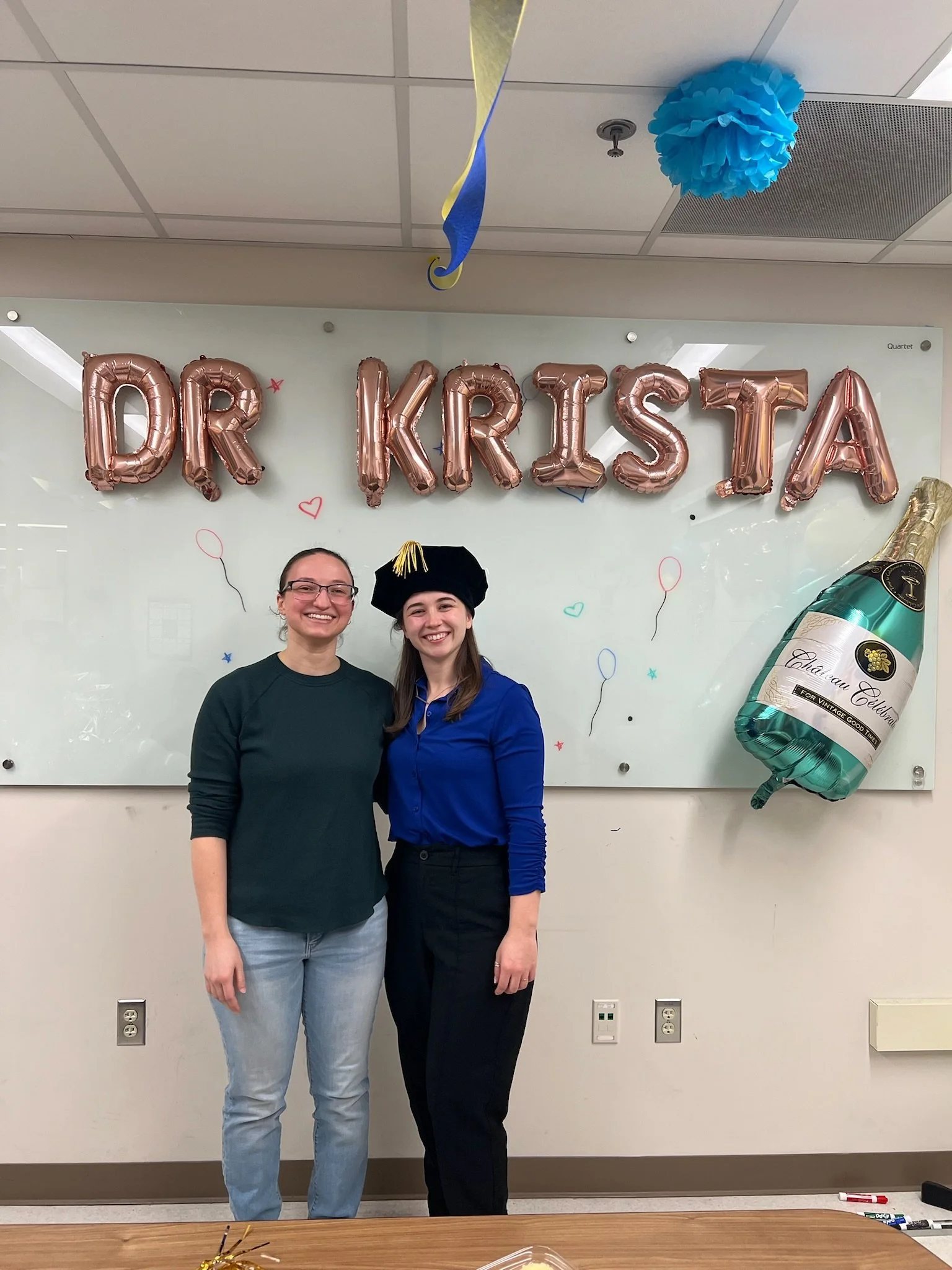
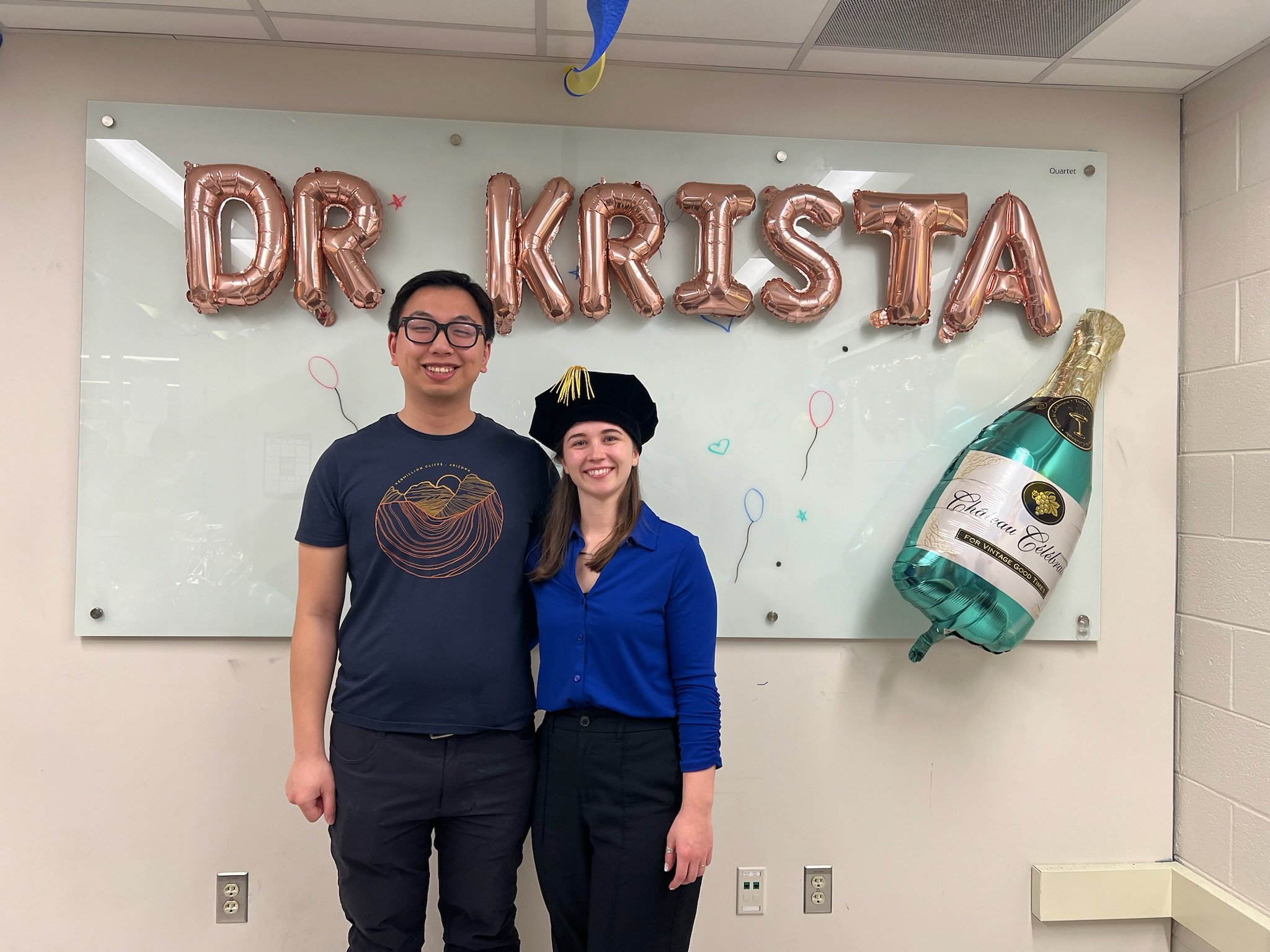
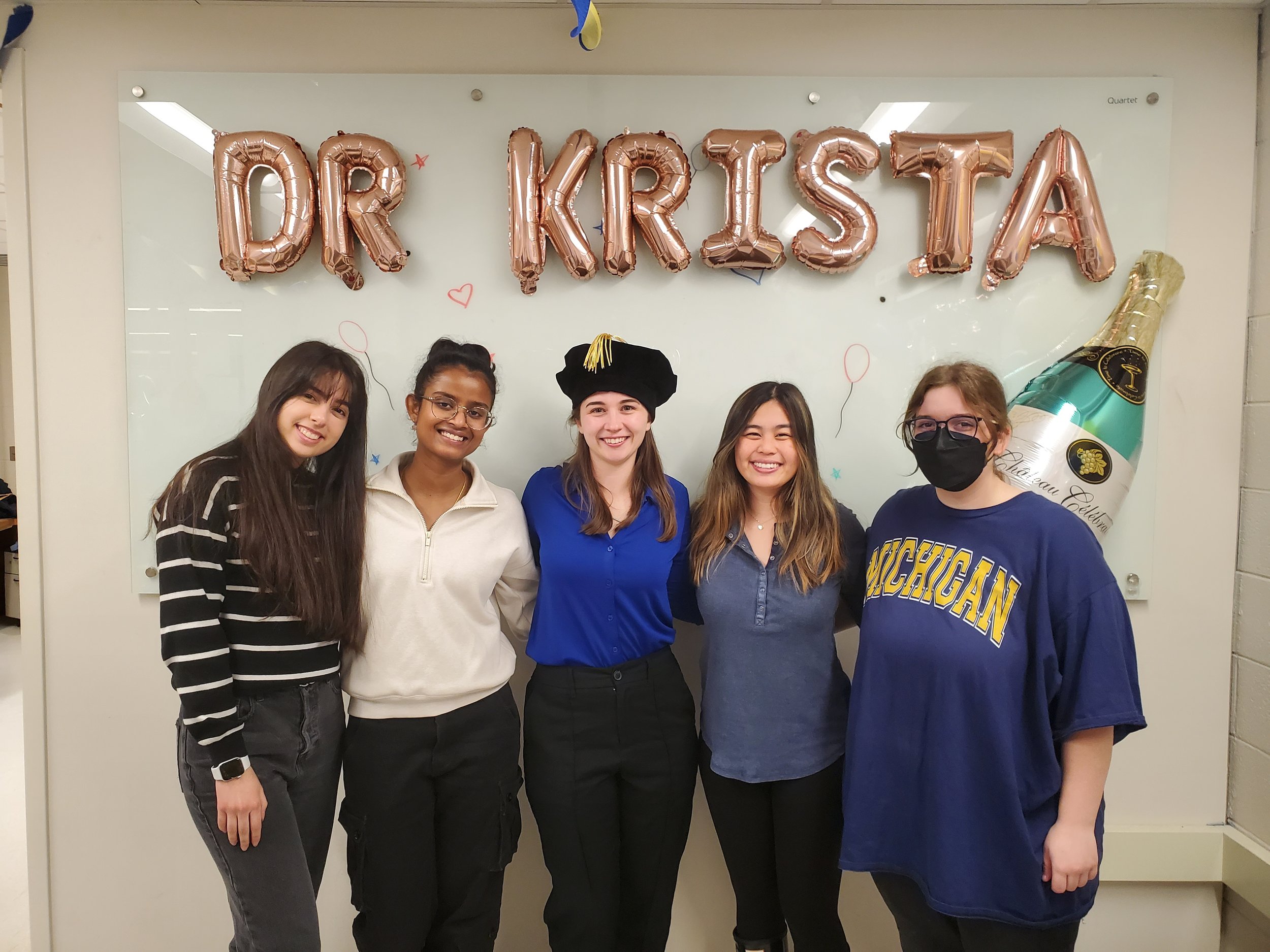
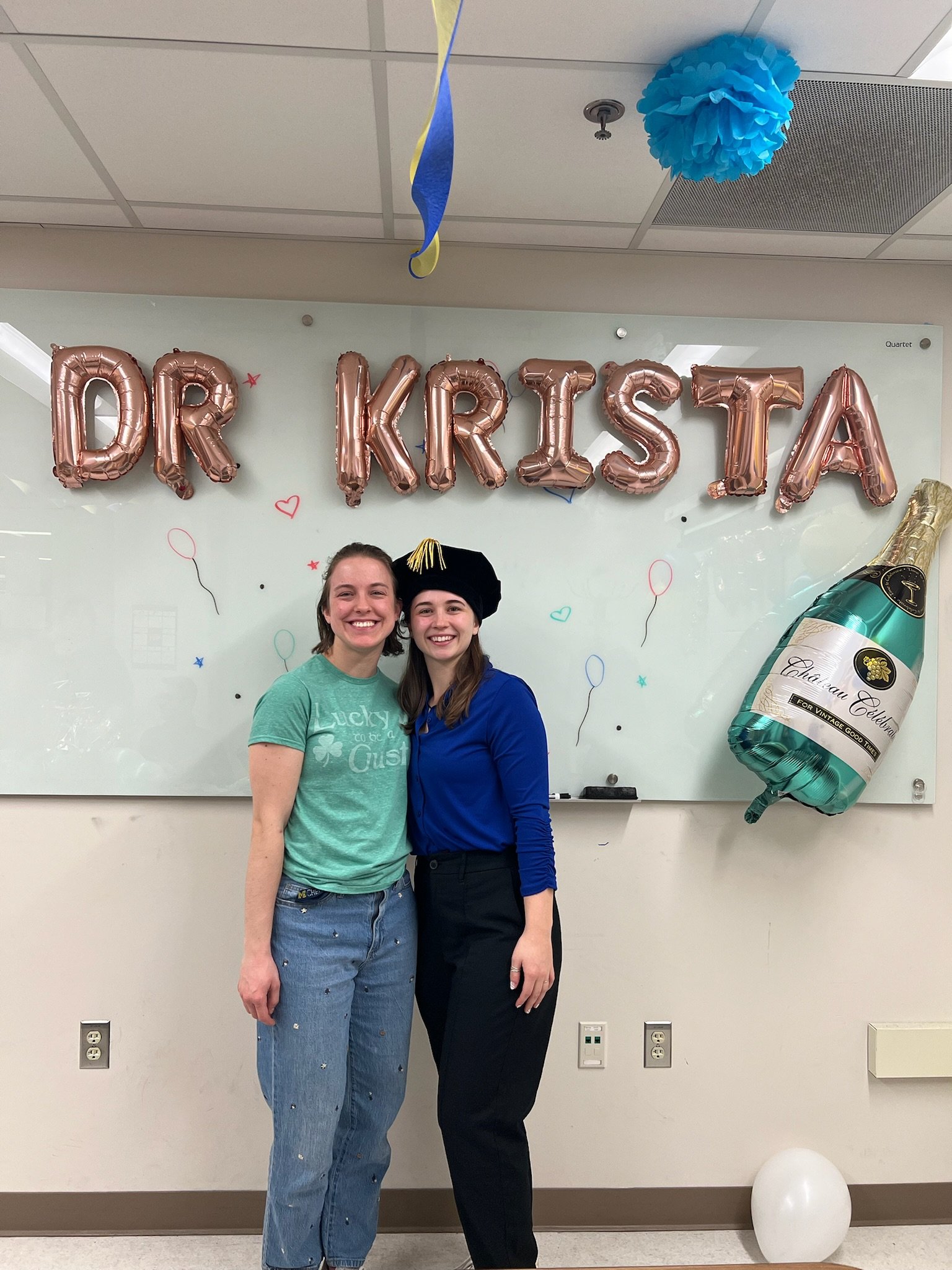
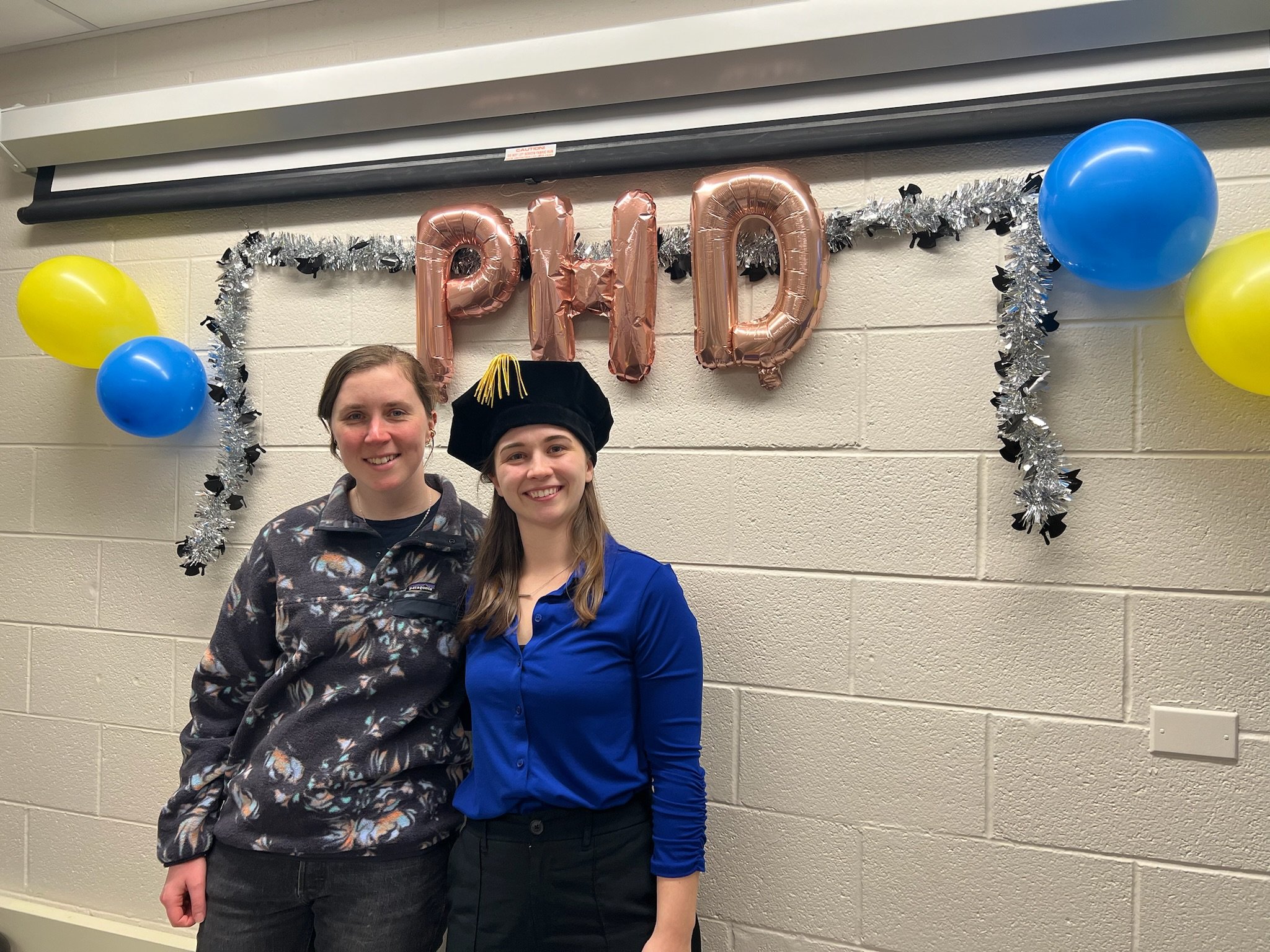
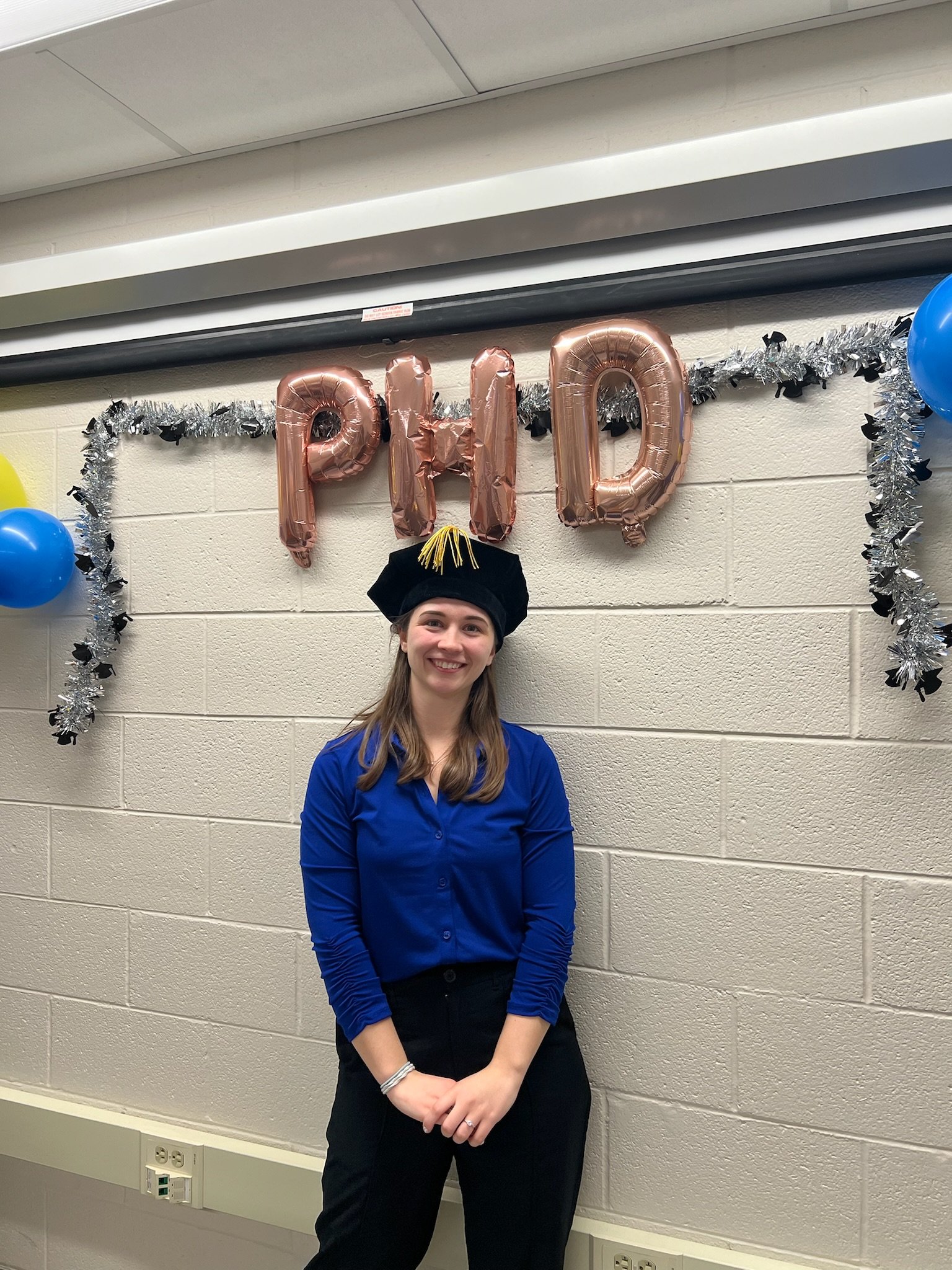
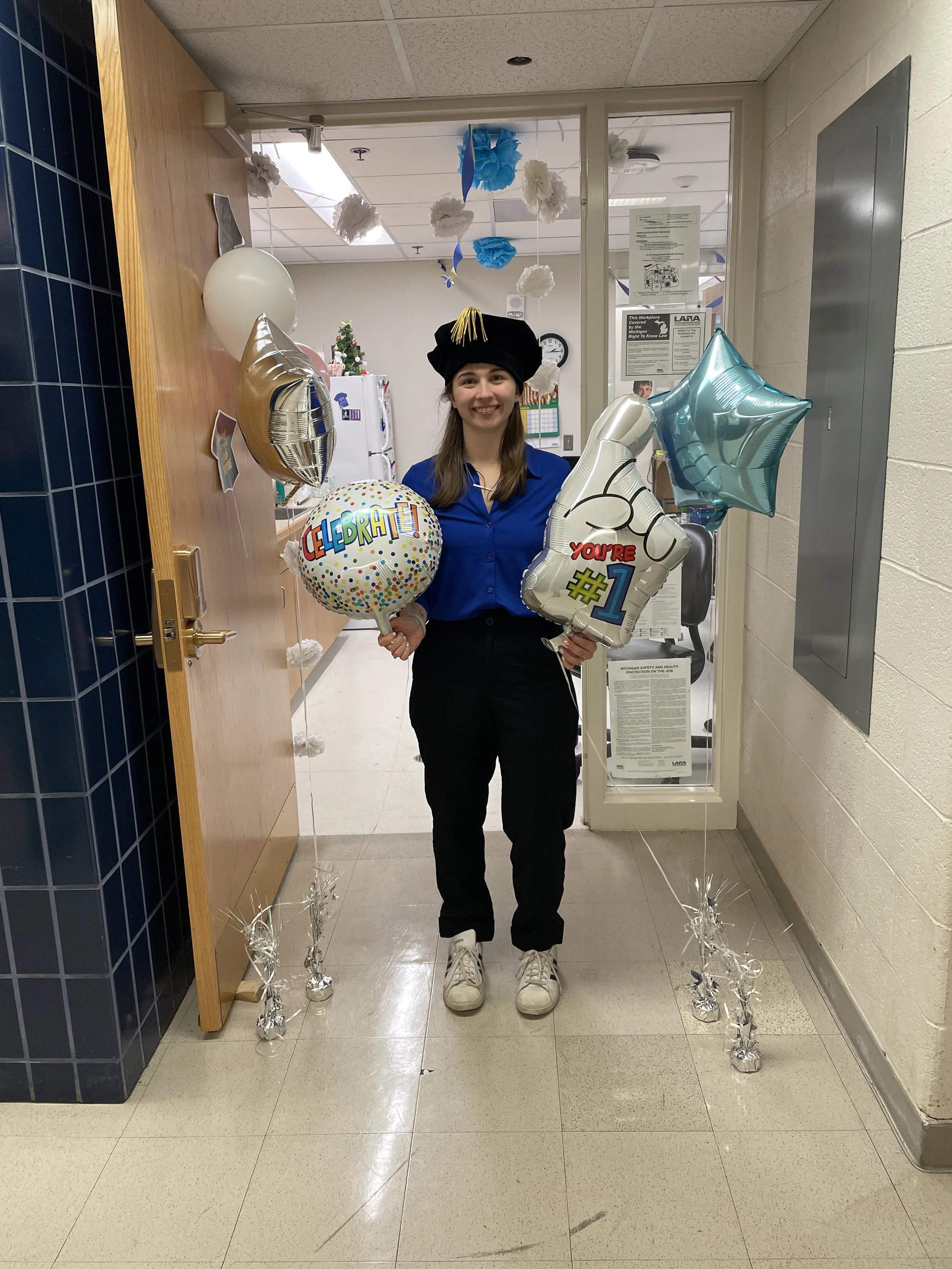
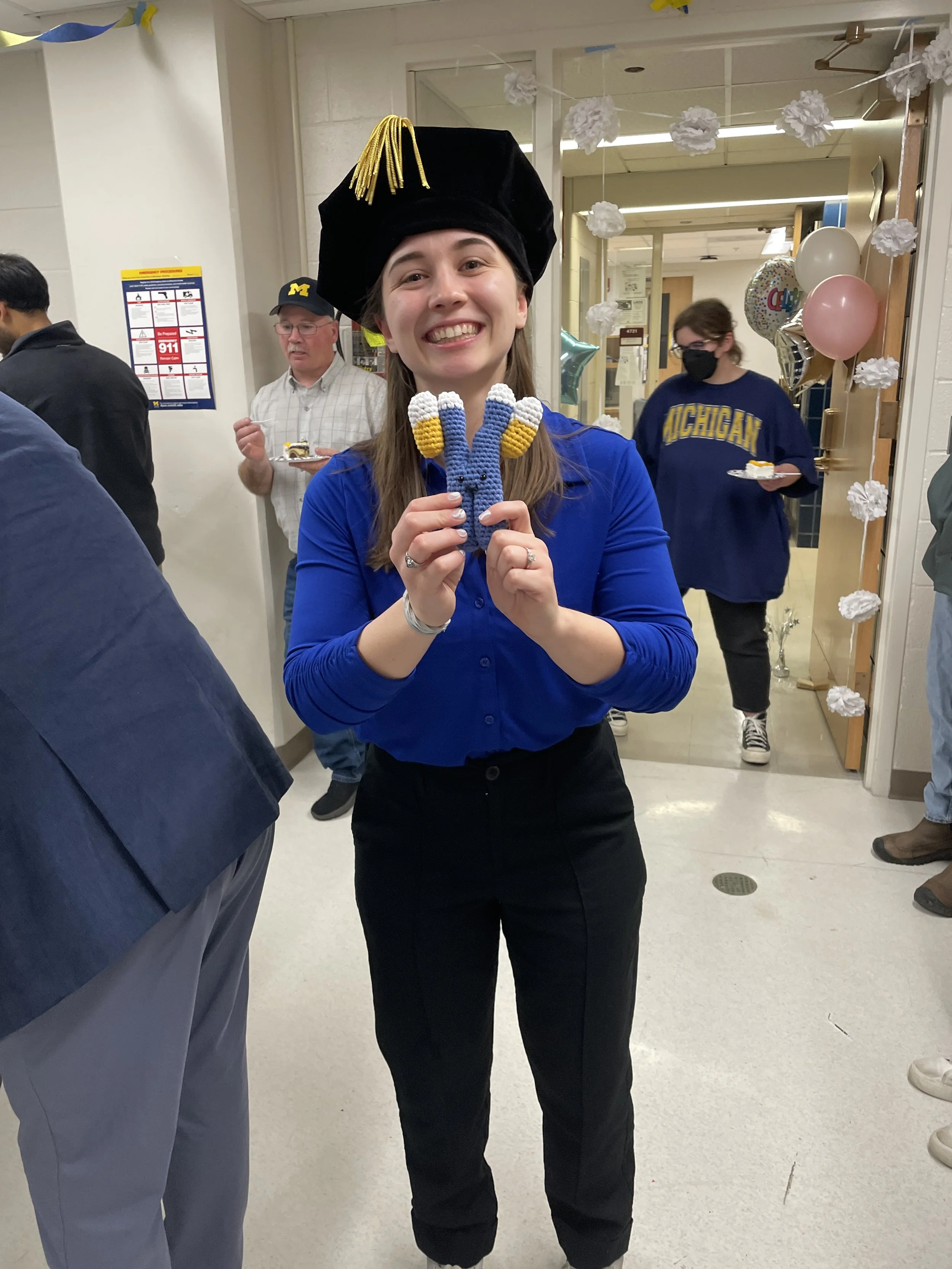
Congratulations to Dr. Krista Meserve!!

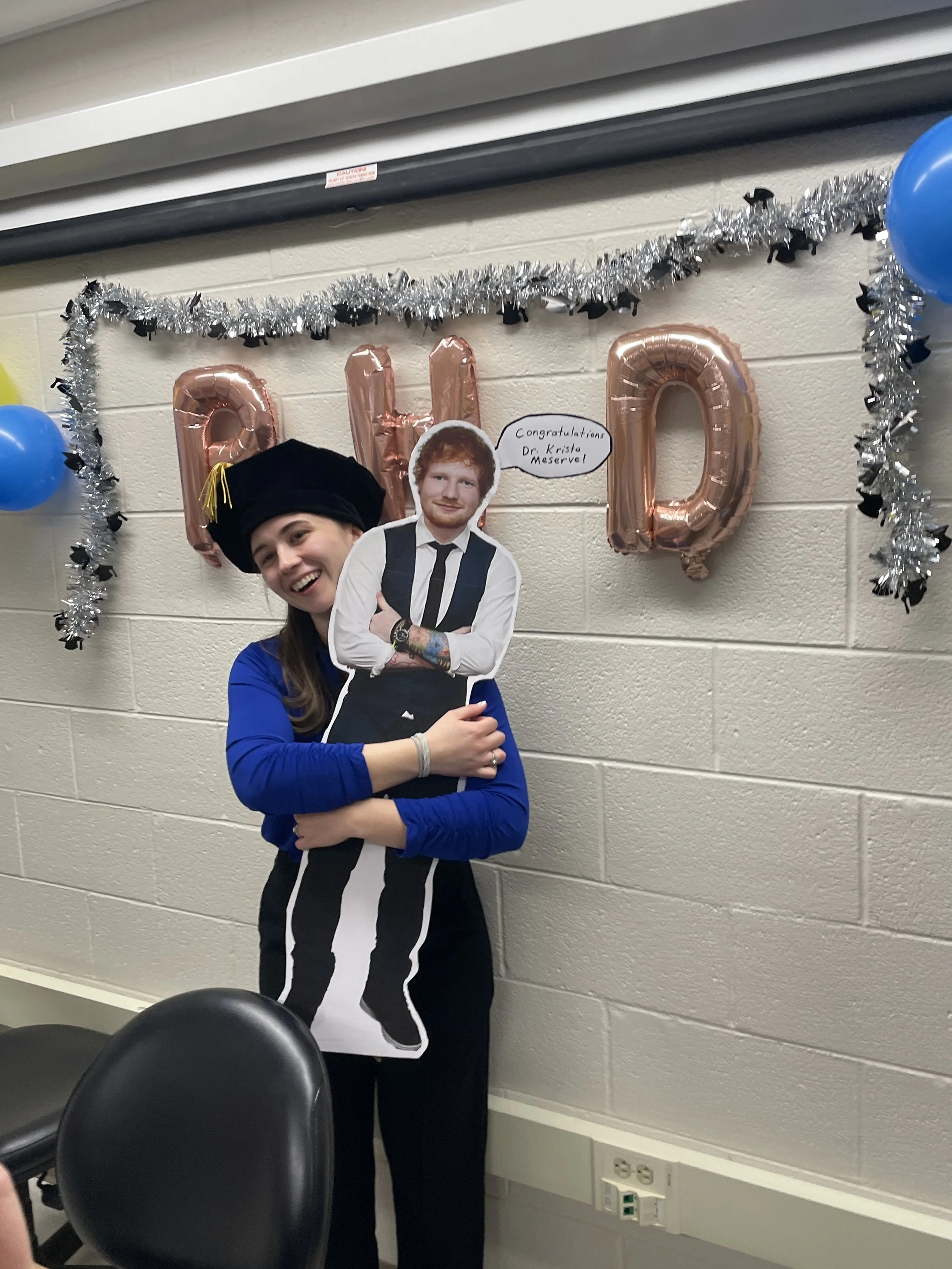
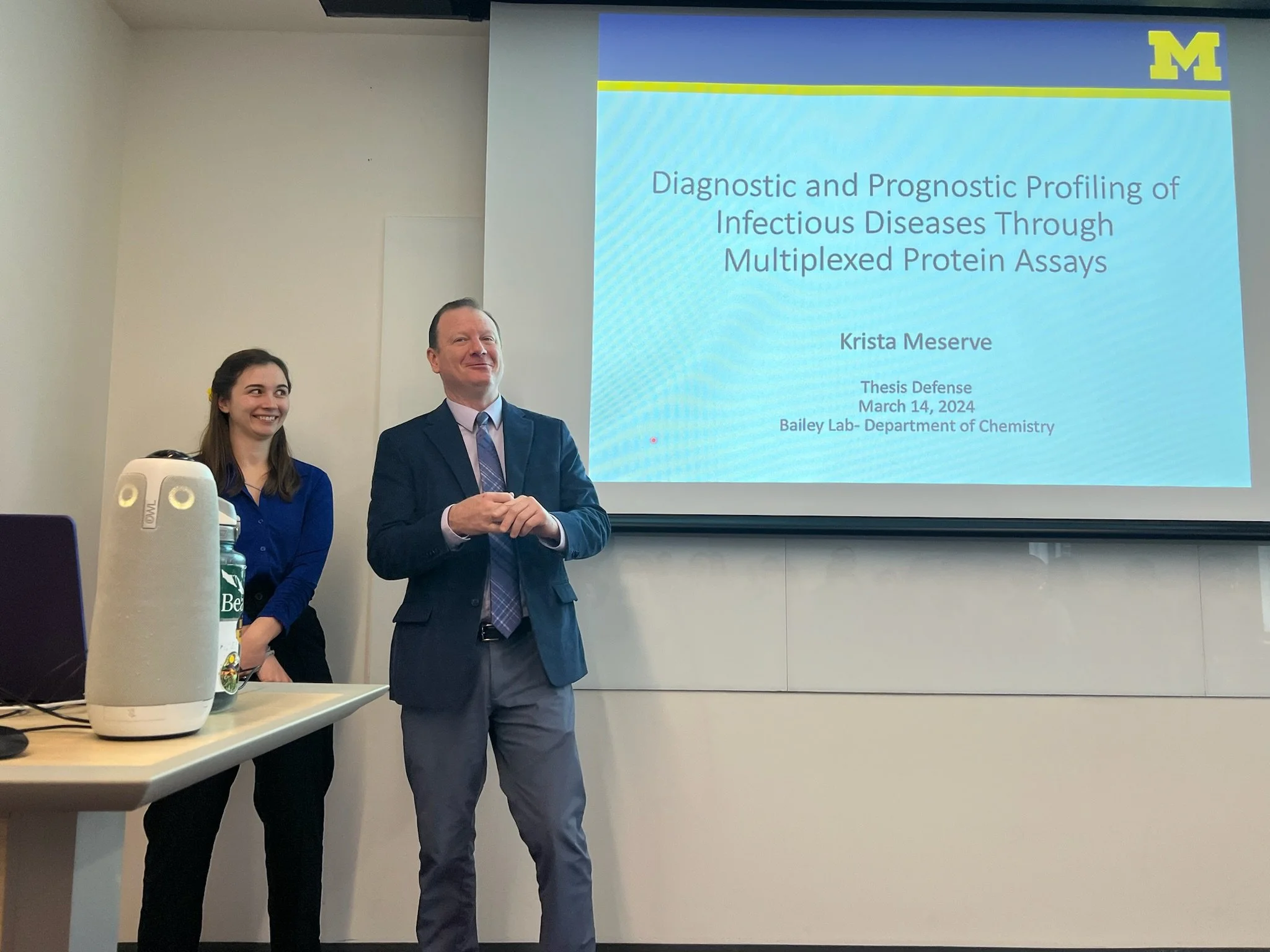
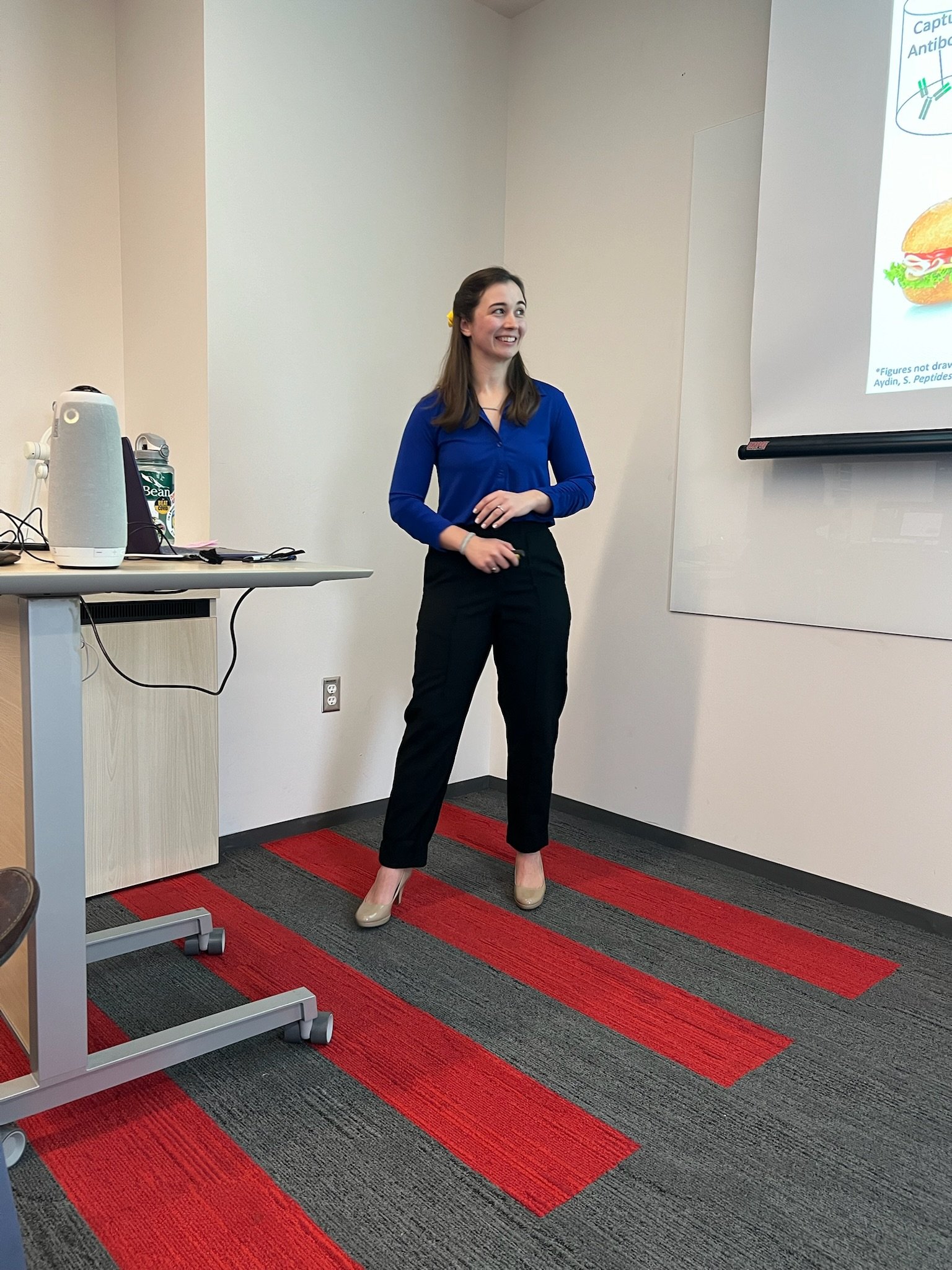
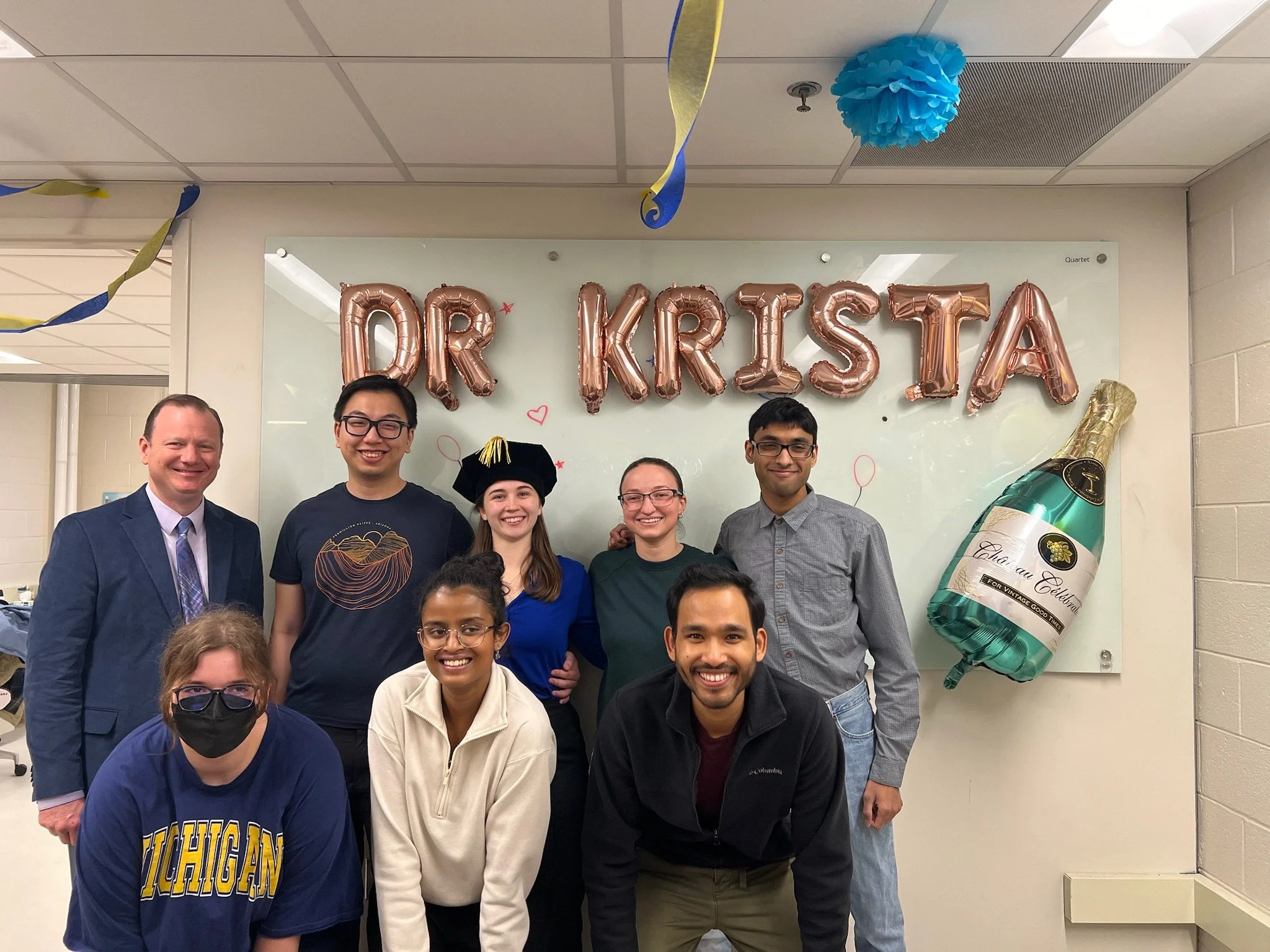
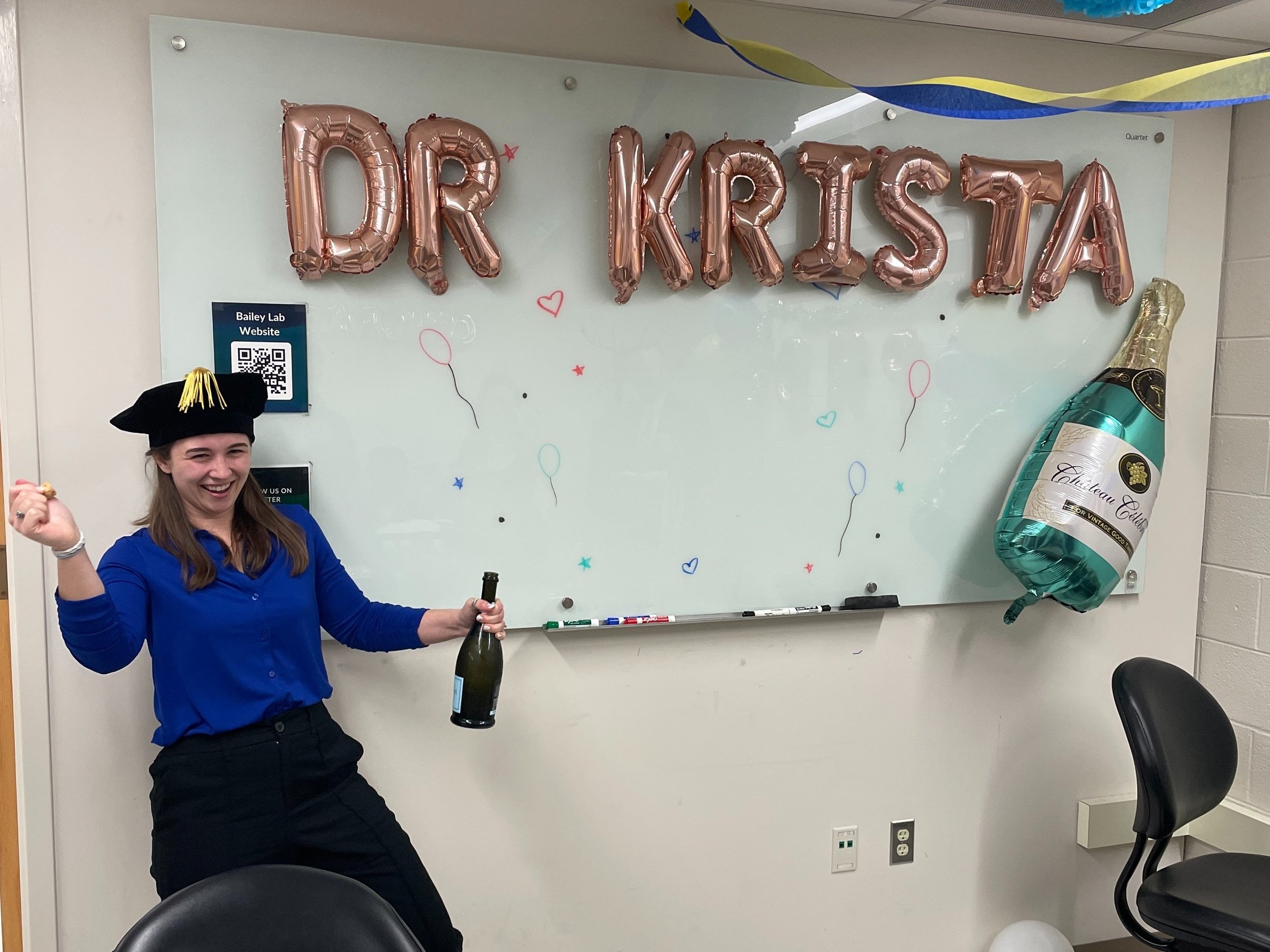
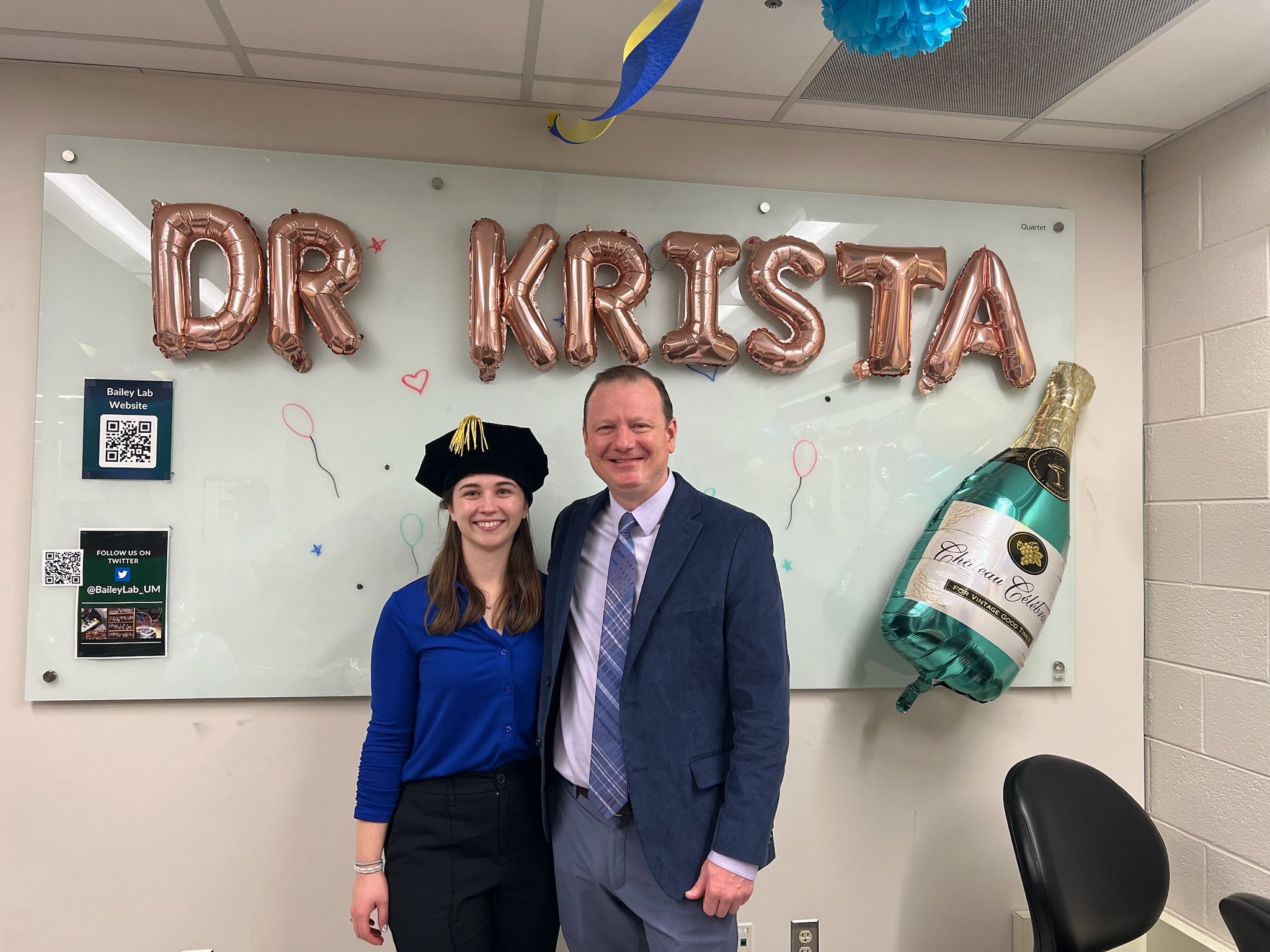
Congratulations to Dr. Krista Meserve for successfully defending her thesis, titled “Diagnostic and Prognostic Profiling of Infectious Diseases Through Multiplexed Protein Assays”, on Pi Day! Krista presented her work on using microring resonator technology to characterize markers of Ebola virus and latent Tuberculosis infection.

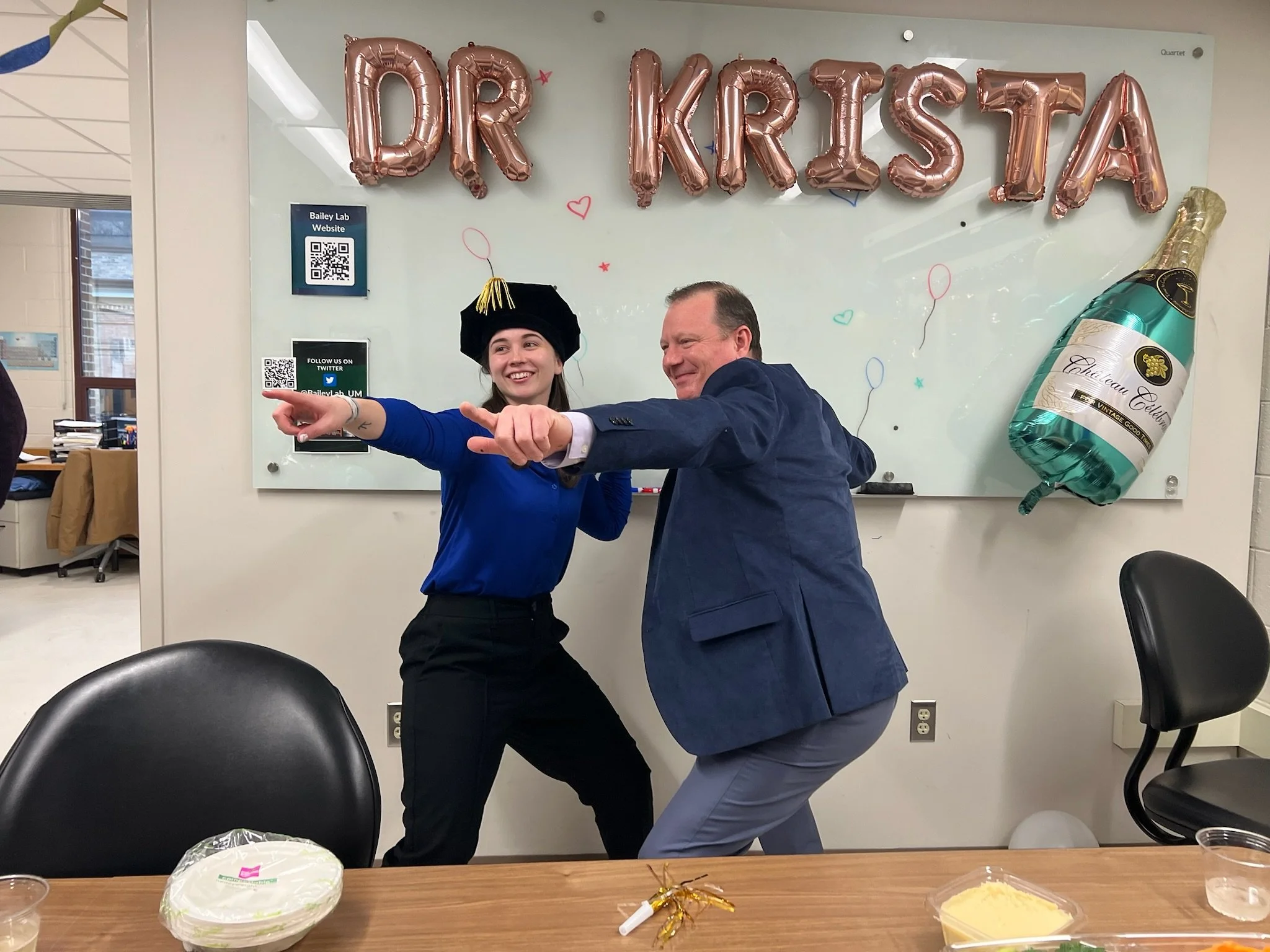
After her defense, we celebrated Krista’s accomplishment with pi themed snacks, like pizza and whoopie pies (the official treat of Krista’s home state of Maine!). Ed Sheeran also made a surprise appearance to congratulate her.

Congratulations to Dr. Krista from the Bailey lab! We are excited to see where this next chapter takes her!


Congratulations to Krista! A publication and a win at ANACHEM!

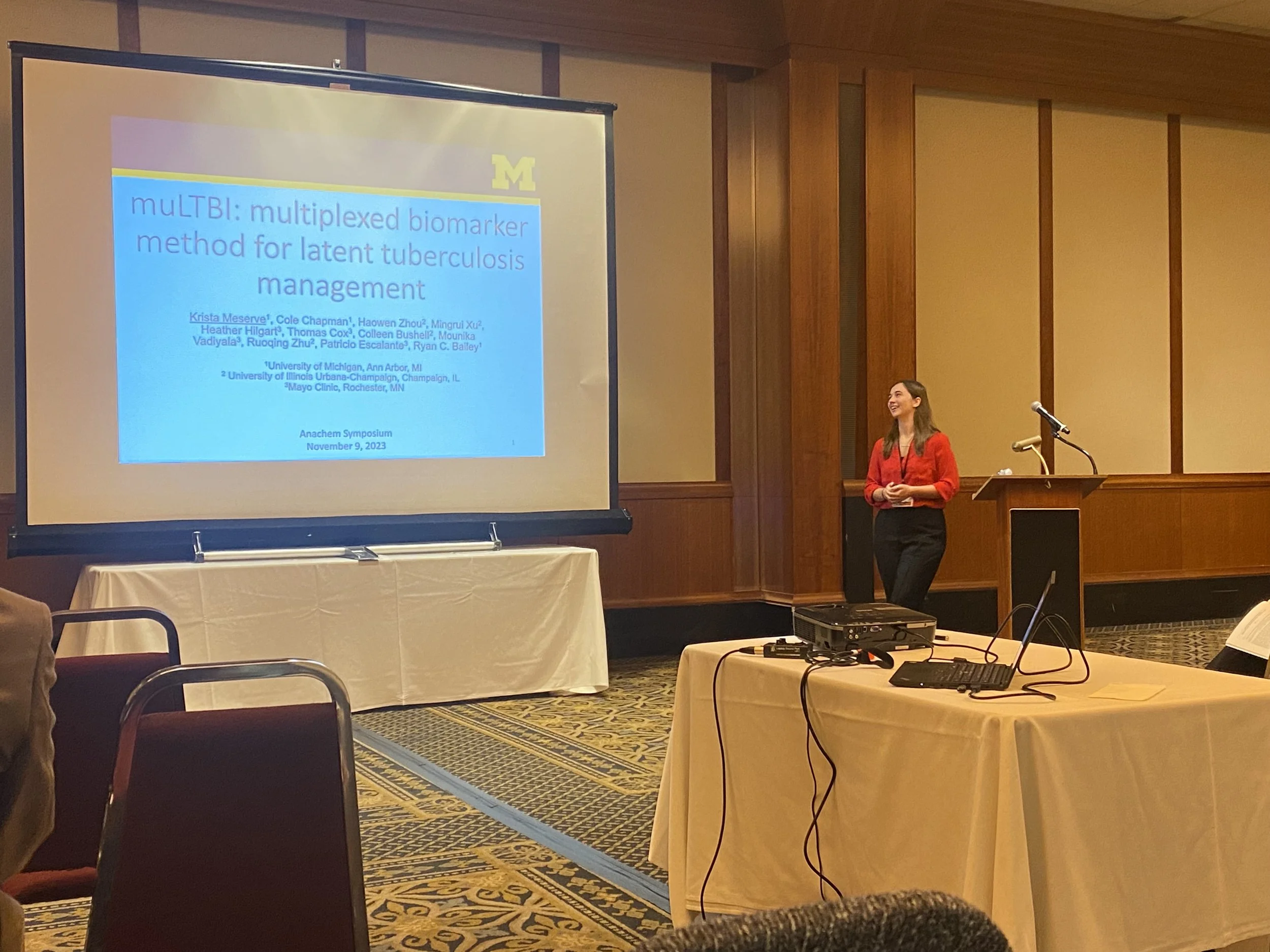
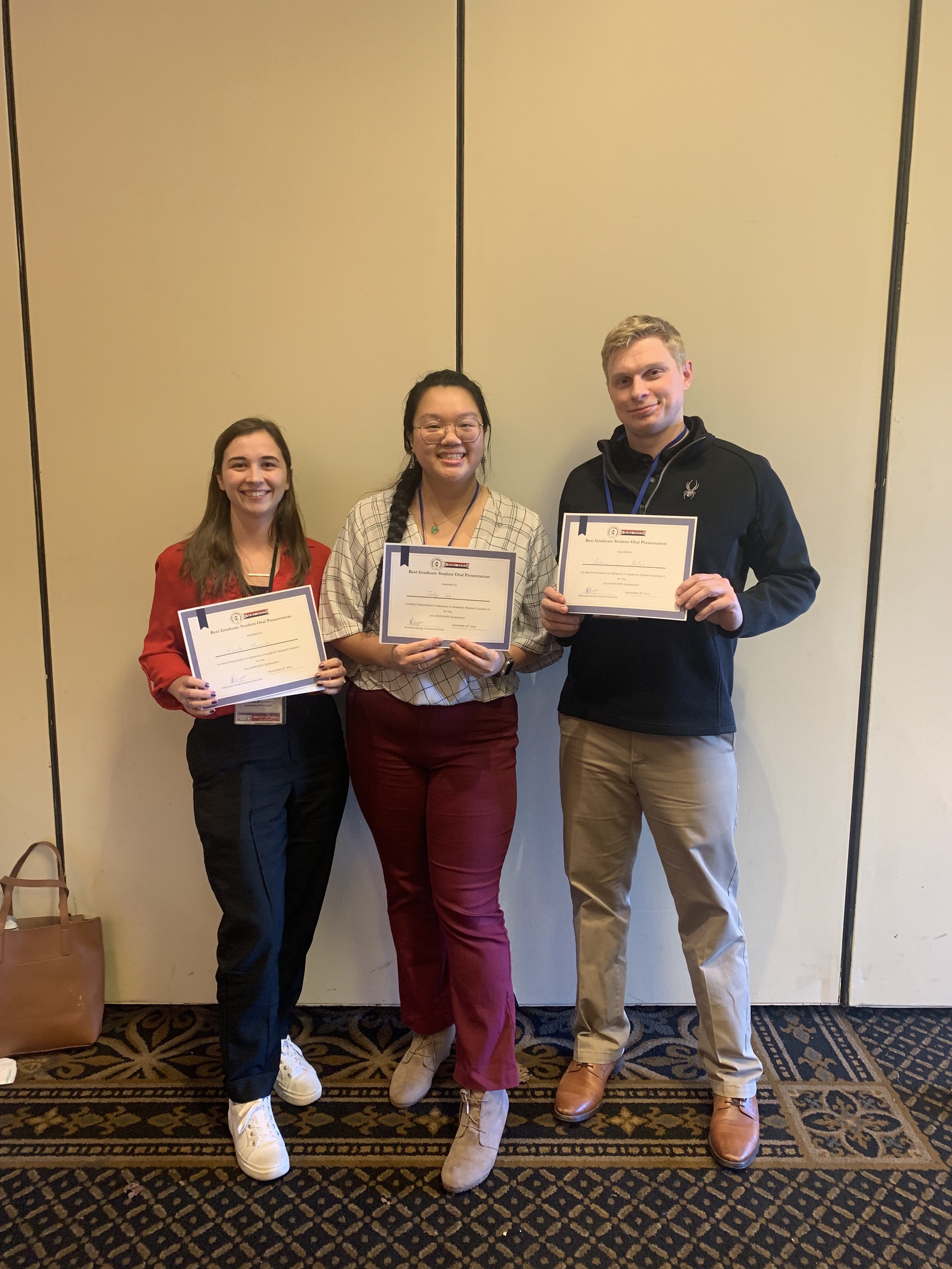
Congratulations to current 5th-year graduate student, Krista, for her recent accomplishments: a presentation award at the 2023 ANACHEM symposium and a co-first author publication in the Journal of Chemical Education!

ANACHEM 2023

The 2023 ANACHEM symposium was held on November 9th, 2023 in Livonia, Michigan. The day-long event was filled with research talks, workshops, a poster session, and a plenary lecture from the 2022 ANACHEM award winner: Dr. Joseph Loo, Professor in the Department of Biological Chemistry, David Geffen School of Medicine, and in the Department of Chemistry & Biochemistry at UCLA.

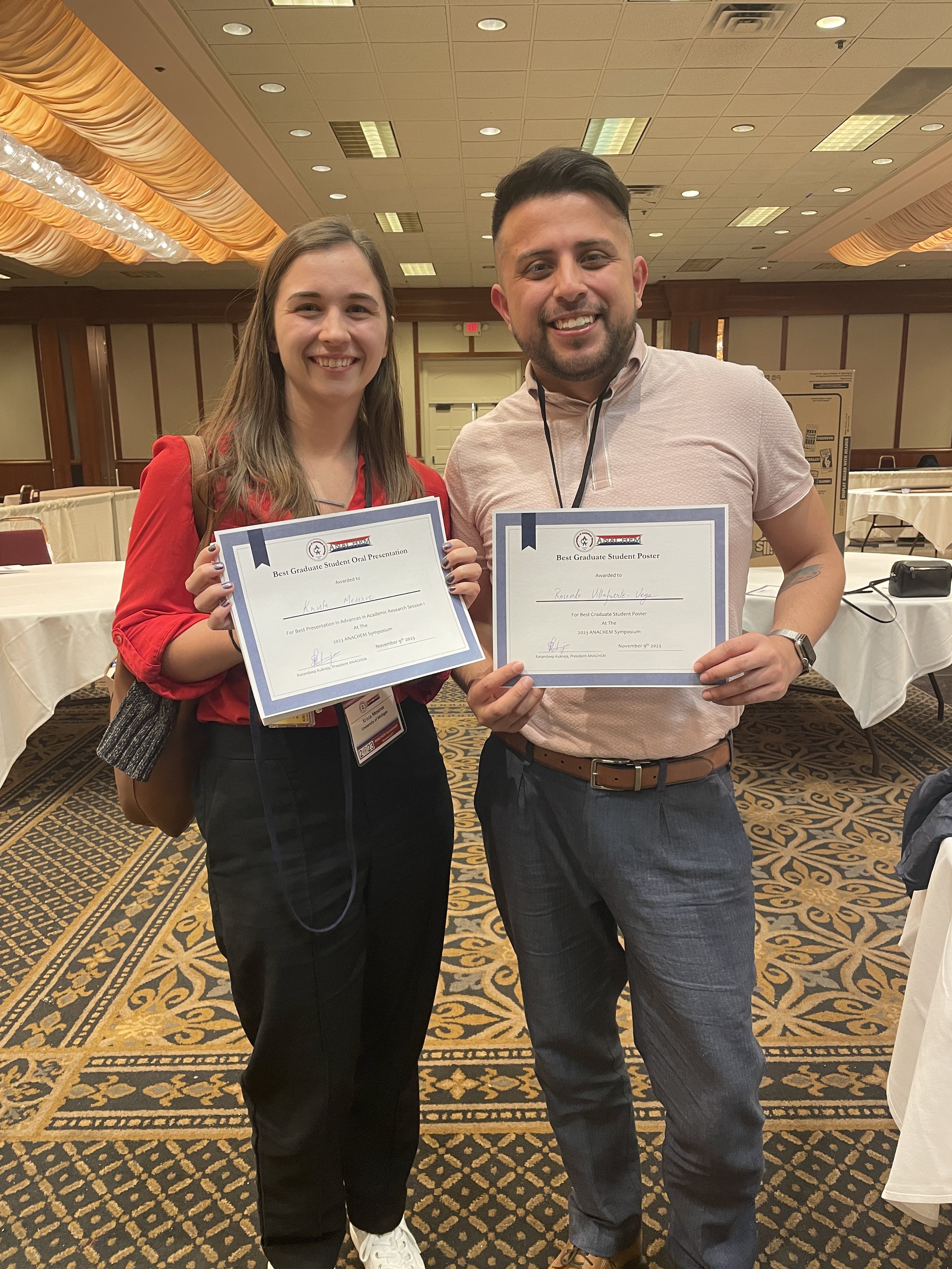
Krista represented the Bailey Lab and gave a research talk titled, “muLTBI: a multiplexed biomarker method for latent tuberculosis management”. She presented the first graduate student talk of the day and was recognized as the best graduate student presentation in her session!

Judy Wu and Andrew Holen from the Pratt Lab received the award for their respective presentation sessions and Rosie Villafuerte-Vega from the Ruotolo Lab was recognized as the best graduate student poster presentation. Congrats to all the presenters!


Publication in Journal of Chemical Education

Congratulations to Krista and her colleagues in the Shultz Research Group for their recent publication in the Journal of Chemical Education! The publication focuses on the implementation and adaptation of the chemistry instructional coaching program within the department.

Chemistry Instructional Coaching: Adapting a Peer-Led Professional Development Program for Chemistry Graduate Teaching Assistants

Abstract: Graduate teaching assistants (GTAs) are crucial facilitators of undergraduate education, yet many begin their teaching appointments with minimal knowledge of teaching practices. Chemistry Instructional Coaching offers GTAs at the University of Michigan an opportunity to develop their instructional practice through a collaborative, nonevaluative, and reflective coaching program. We implemented an instructional coaching program designed in collaboration with the Knowles Teacher Initiative to meet the needs of GTAs teaching in a postsecondary setting. In a coaching cycle, a trained GTA (the coach) guides a recruited GTA (the coachee) through conversations that allow the coachee to develop a teaching-related goal, plan how to implement changes to their instruction, and reflect on the measurable outcomes. This iterative cycle builds on itself over the course of one or two semesters, with new goals being identified for each cycle. Through adapting the program in our department over time, we utilized feedback from coaches and coachees to adjust the structure of the coaching program and develop relevant materials to support knowledge of instructional practice. Herein, we report on the program design, enrollment, and current structure, and we discuss the main adaptations that we implemented to develop a sustainable program within the chemistry department. We believe that this graduate-student-led instructional coaching program has the potential to be integrated into other departments or postsecondary settings.

Read the full paper here!

Congratulations to co-first authors Rebecca, Ina, and Krista (pictured here at the Shultz Group’s traditional ‘Paper Cake’ celebration), and the entire coaching team!