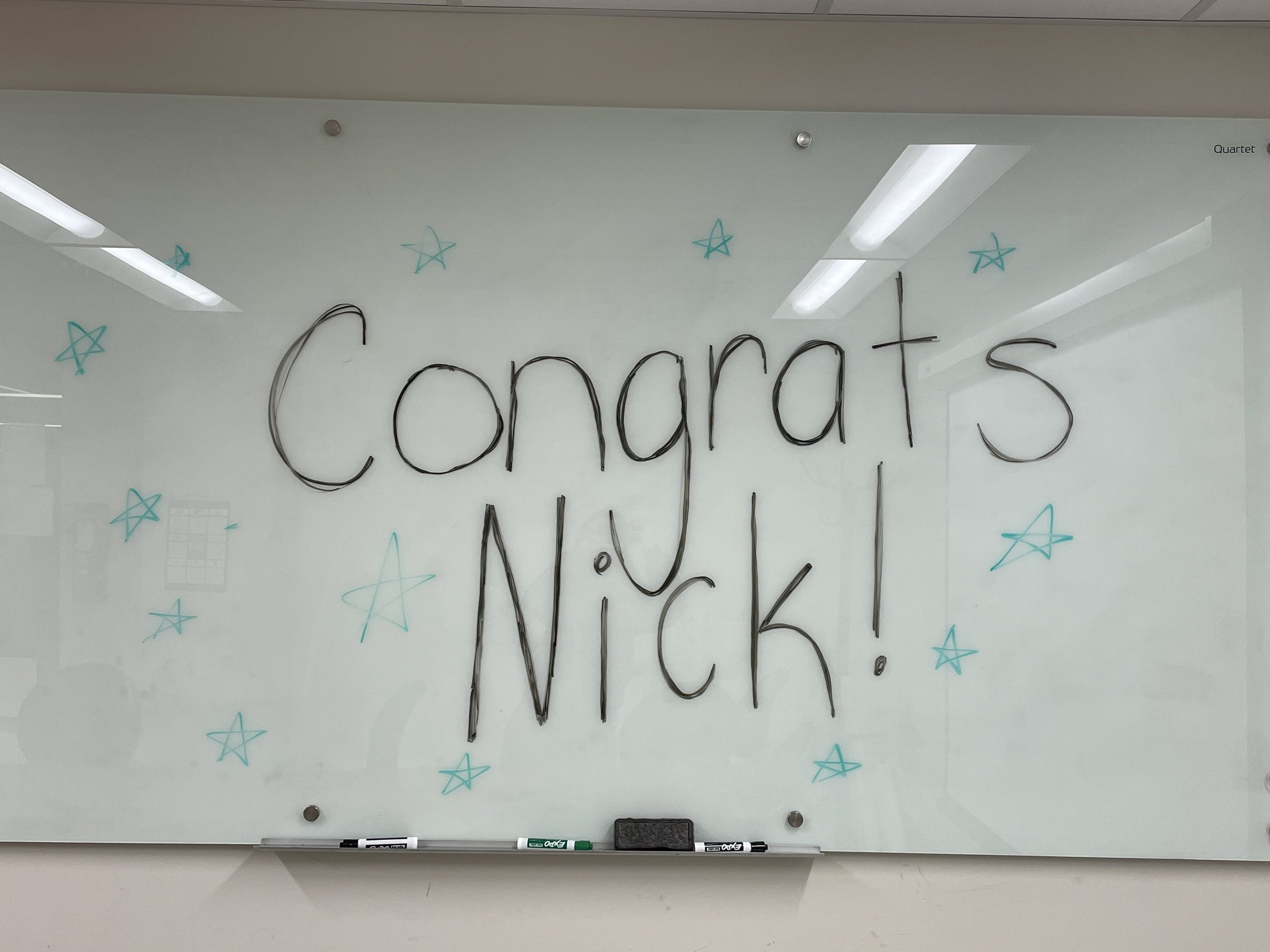
Nick announces internship at Eli Lilly!

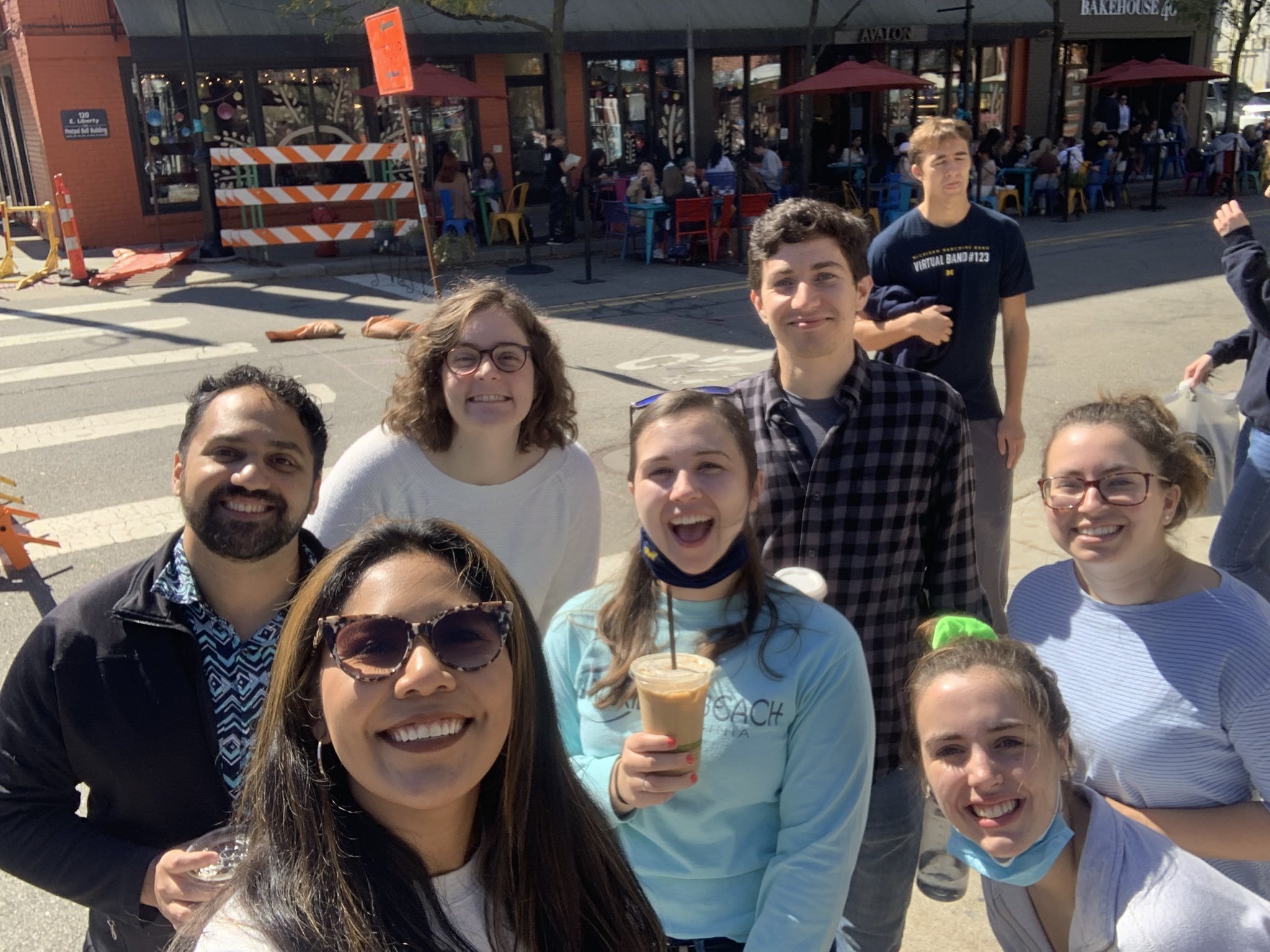
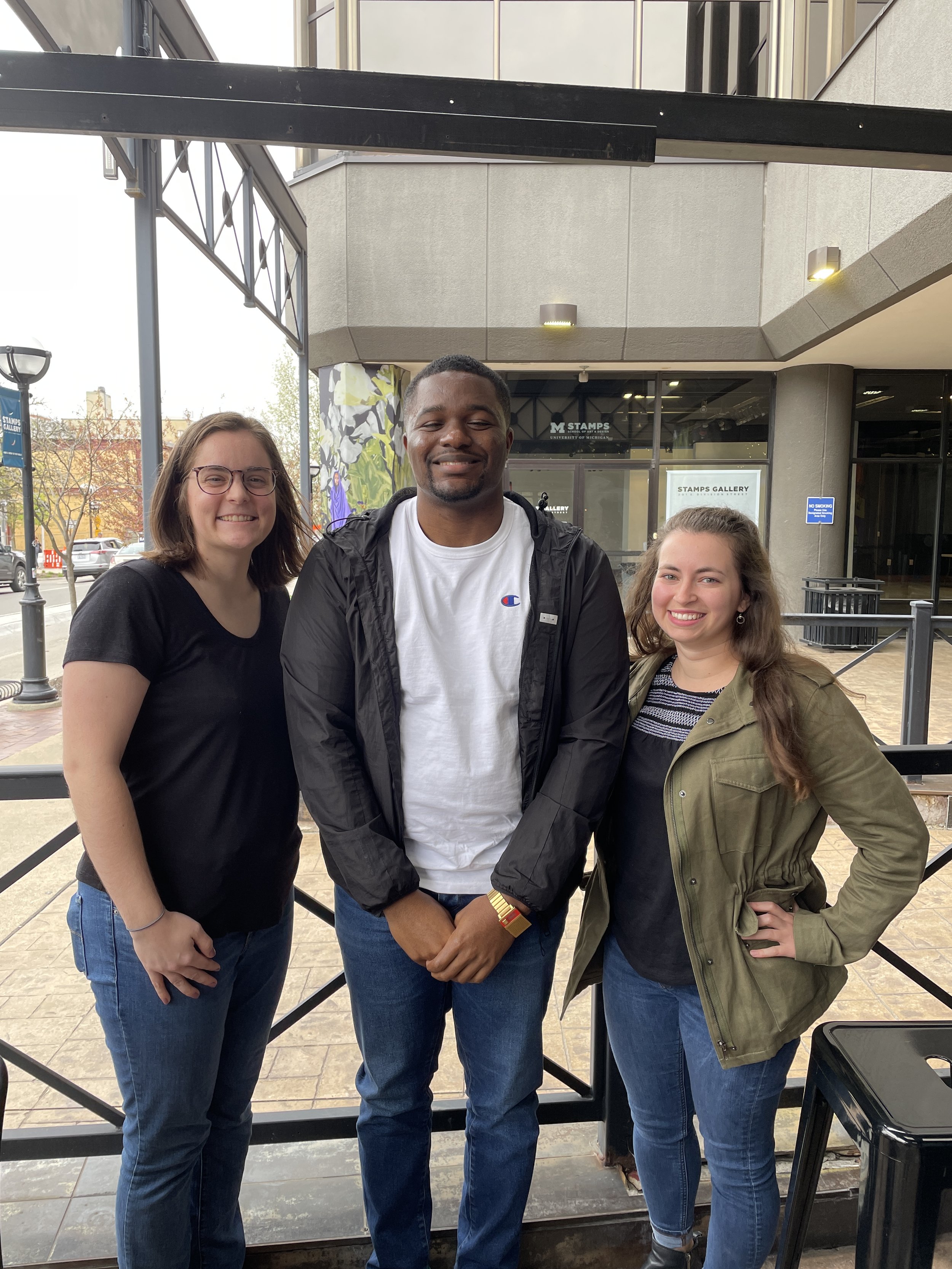
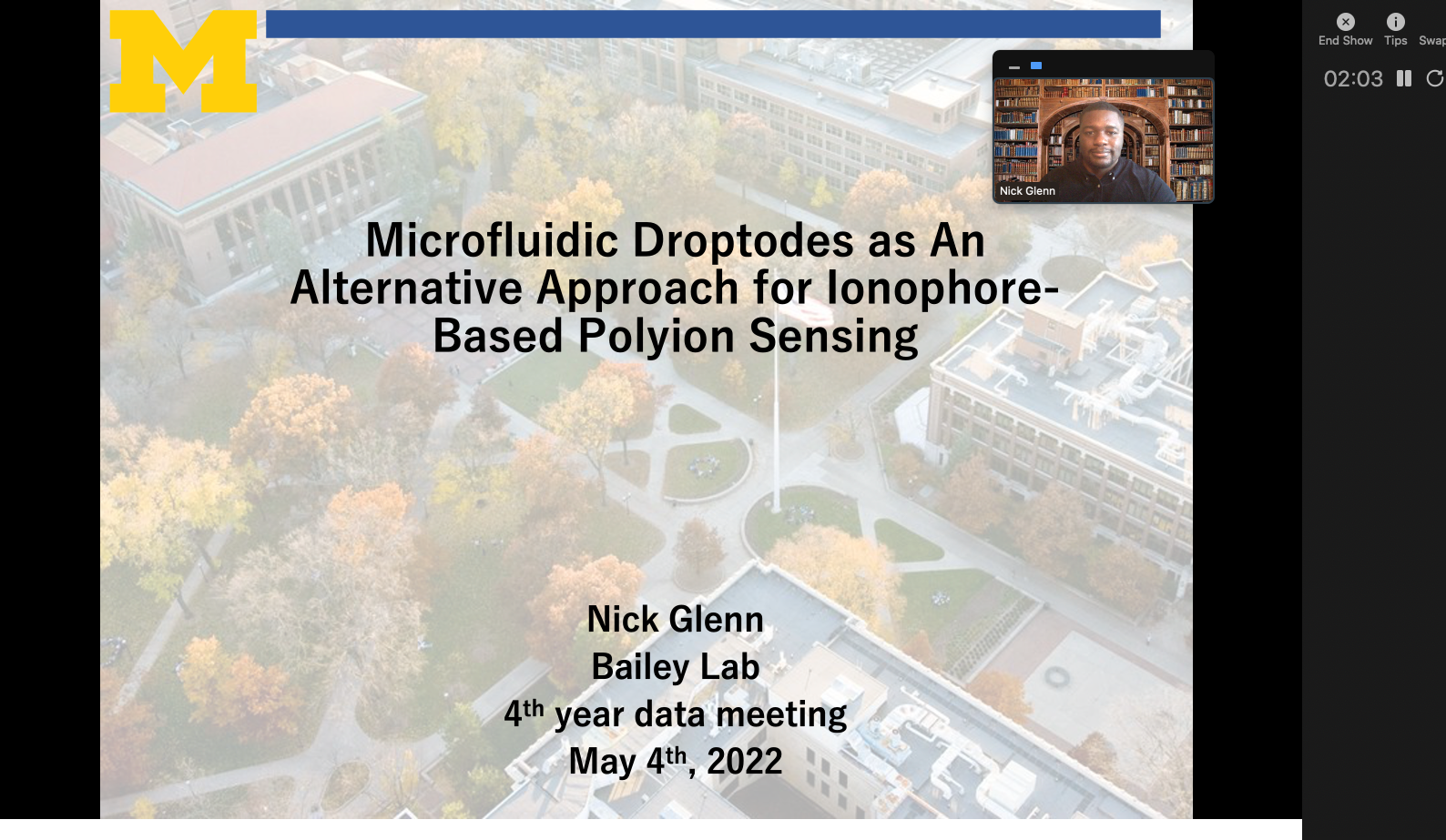
We have exciting news to share! This fall Nick will be completing an internship at Eli Lilly in Indianapolis, Indiana! Nick learned of this internship through his awesome networking skills and will now be working as a research and development scientist starting in August. Nick is most looking forward to “learning more about the multidisciplinary approach used in the pharmaceutical industry to develop therapeutic drugs from the lab and to the consumer.” Outside of working in the lab, he notes he is “looking forward to all the sporting events and concerts in downtown Indy!”

We are all so happy for Nick and we can’t wait to hear about all the great things he learns along the way! Congrats Nick!

New publication for the Bailey Lab!

Congratulations to Krista and Ryan for their latest publication in Cell Reports Methods. This work was an exciting intergenerational Bailey Lab project, as Krista worked with 2012 alum, Dr. Abraham Qavi, along with his current research advisor, Dr. Gaya Amarasinghe, and collaborators at Integrated Biotherapeutics, Mapp Biopharmaceutical, Inc., the US Army Medical Research Institute of Infectious Diseases and Washington University. We enjoyed hosting Abe (pictured to the right) for a week while they worked on analyzing the NHP samples for the study!

Rapid detection of an Ebola biomarker with optical microring resonators

Summary:
Ebola virus (EBOV) is a highly infectious pathogen, with a case mortality rate as high as 89%. Rapid therapeutic treatments and supportive measures can drastically improve patient outcome; however, the symptoms of EBOV disease (EVD) lack specificity from other endemic diseases. Given the high mortality and significant symptom overlap, there is a critical need for sensitive, rapid diagnostics for EVD. Facile diagnosis of EVD remains a challenge. Here, we describe a rapid and sensitive diagnostic for EVD through microring resonator sensors in conjunction with a unique biomarker of EBOV infection, soluble glycoprotein (sGP). Microring resonator sensors detected sGP in under 40 min with a limit of detection (LOD) as low as 1.00 ng/mL in serum. Furthermore, we validated our assay with the detection of sGP in serum from EBOV-infected non-human primates. Our results demonstrate the utility of a high-sensitivity diagnostic platform for detection of sGP for diagnosis of EVD.

Find the full article here!

Read WashU’s press release about the article here!

Gloria receives departmental award!

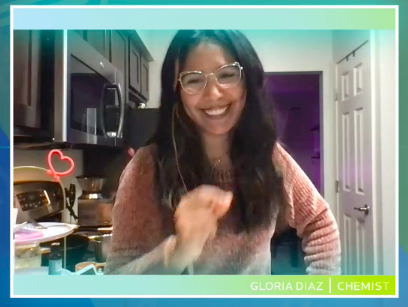
Congratulations are in order for 5th-year graduate student Gloria Diaz, who recently received the Exceptional Service Award from the Michigan Chemistry Department.

Gloria has contributed to the department by participating in recruitment activities and chairing the annual Karle Symposium. She has also been engaged in outreach through social media to connect with scientists of diverse backgrounds!

Great work, Gloria! We are so proud!!

Bailey Lab at the 2022 UM/Agilent Symposium

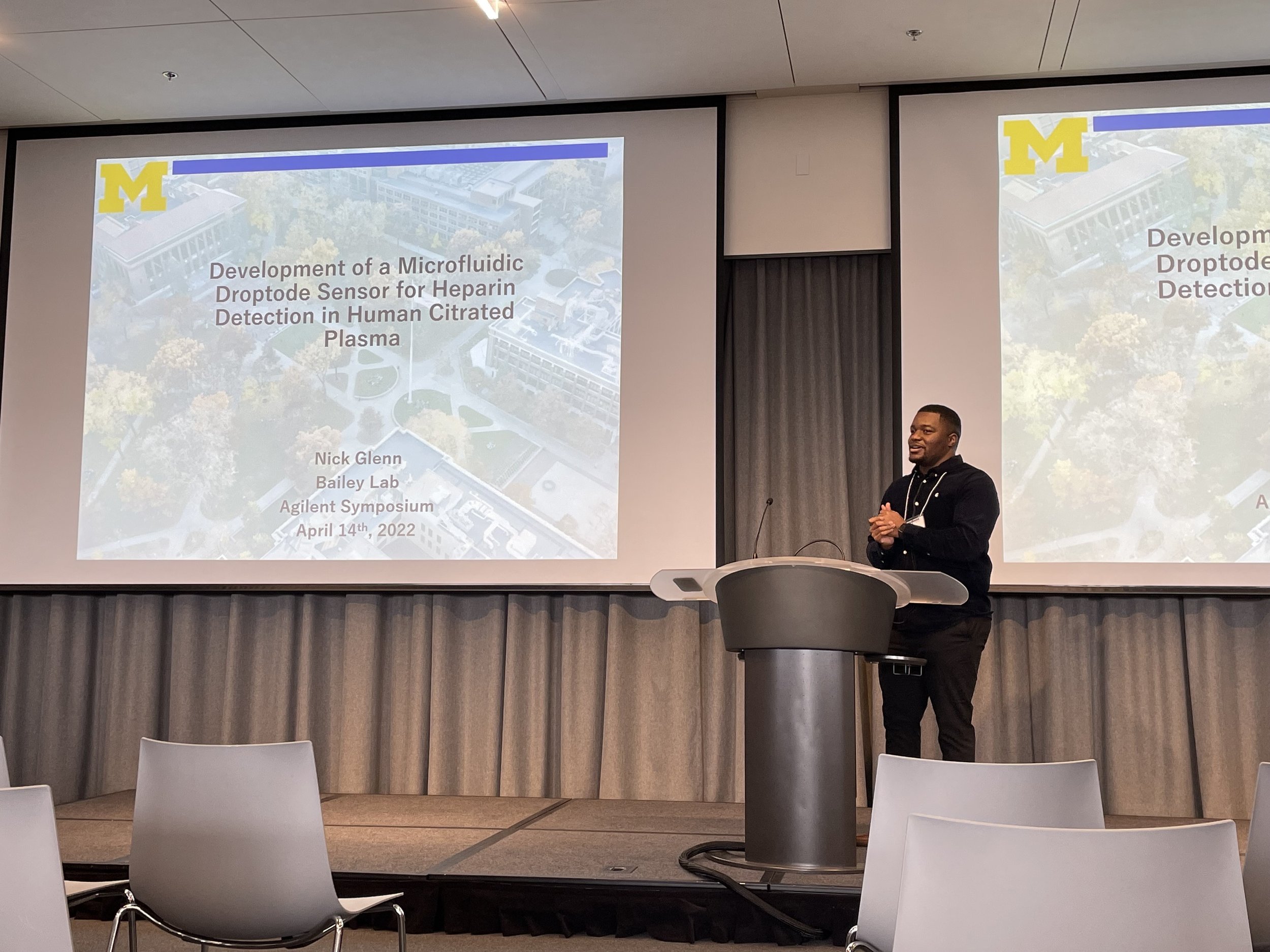
On Thursday, April 14th, 2022, the first annual UM/Agilent Symposium of Measurement Science was held on the UM campus. The symposium was created to help bridge the gap between academia and industry by providing a platform for scientific discussion and networking. The day was filled with talks by Agilent scientists, students presentations, a poster session, and a panel of Agilent staff who provided great insight into the industry. Krista, Marina, and Nick displayed their work at the poster session and Nick presented his project to the full audience during the student talks. Great work by all!

Thank you to the organizers of the symposium and to Agilent for sponsoring! We can’t wait for next year!

Sam receives undergraduate summer fellowship!

The Bailey Lab’s undergraduate researcher, Sam, was selected for a summer undergraduate research program (SURP) fellowship from the chemistry department! Sam will now be funded to work with us in the lab for 10 weeks of full-time research. Sam has been training on Team Nanodiscs with Marina and has already gained many skills and expertise on the project. Sam is looking forward to spending more hours in the lab to dig into her work and make more progress with her nanodiscs!

We can’t wait to see what Sam accomplishes this summer! Congrats!


Krista wins travel award for third-year seminar presentation!

Each year, third-year graduate students present a brief seminar highlighting the research accomplishments they have made thus far in the program. The analytical cluster’s seminar presentations took place in December 2021 and Krista, our third-year graduate student, presented her latest project: “Detection of Ebola virus soluble glycoprotein using silicon photonic microring resonators”. 

Krista’s presentation earned her one of the two travel awards granted to the highest scoring analytical seminar talks! Congrats to Krista, as well as Hayley Herderschee from the Kennedy Lab, for earning this award!


Gloria Presents on ‘Today I Learned’

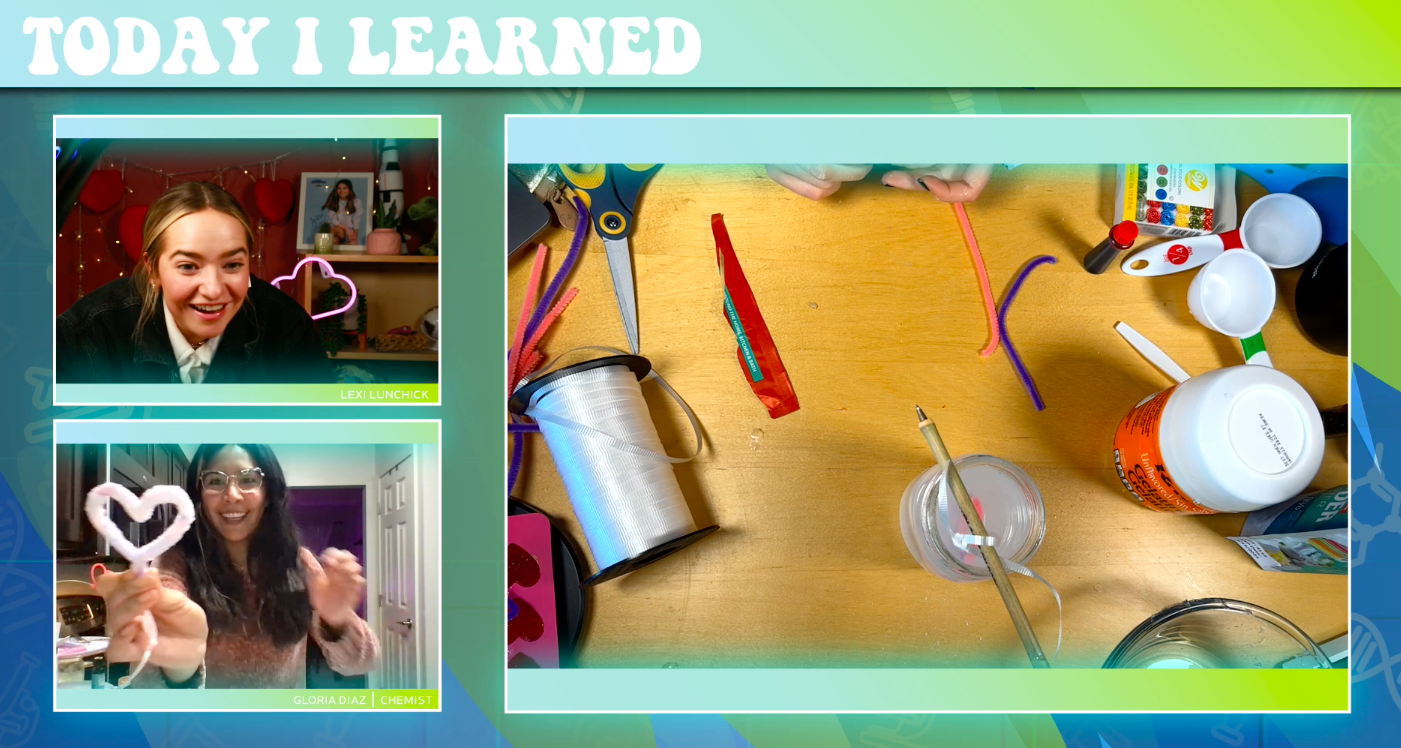
Science communication and outreach are vital for welcoming the next generation of scientists. In early February, our 5th-year graduate student, Gloria Diaz, expanded her science outreach platform by appearing on the “Today I Learned” twitch stream. “Today I Learned” is a weekly show affiliated with CBS’s “Mission Unstoppable”, on which Miranda Cosgrove profiles females in STEM. In Gloria’s “Today I Learned” segment, she talked about her research using microfluidic devices, discussed how she has grown as a researcher, and highlighted how she has worked to overcome challenges as a graduate student. Her at-home science demonstrations were very appropriately Valentines’ Day themed! Gloria walked the show’s host and the online viewers through making gelatin bioplastic hearts and borax crystal XO’s. The rest of us in the Bailey Lab were thrilled to watch Gloria’s debut and loved to see how she expanded the field of microfluidic research to a general audience!

Watch the recording of Gloria’s “Today I Learned” segment here!

Read Krista and Ryan's contributions to a primer article on WGM sensing!

Brush up on your WGM knowledge by reading the latest Nature Reviews Methods Primer: Whispering-gallery-mode sensors for biological and physical sensing. Congrats to Krista and Ryan for their contribution!

Abstract

The term whispering gallery mode (WGM) was first introduced to describe the curvilinear propagation of sound waves under a cathedral dome. The physical concept has now been generalized to include light waves that are continuously reflected along the closed concave surface of an optical cavity such as a glass microsphere. The circular path of the internally reflected light results in constructive interference and optical resonance, a morphology-dependent resonance that is suitable for interferometric sensing. WGM resonators are miniature micro-interferometers that use the multiple-cavity passes of light for very sensitive measurements at the microscale and nanoscale, including single-molecule and ion measurements. This Primer introduces various WGM sensors based on glass microspheres, microtoroids, microcapillaries and silicon microrings. We describe the sensing mechanisms, including mode splitting and resonance shift, exceptional-point-enhanced sensing and optomechanical and optoplasmonic signal transductions. Applications and experimental results cover in vivo and single-molecule sensing, gyroscopes and microcavity quantum electrodynamics. We also discuss data analysis methods and the limitations of WGM techniques. Finally, we provide an outlook for molecule, in vivo and quantum sensing.

Find the paper here and the accompanying PrimeView here!

Marina presents at ASMS!

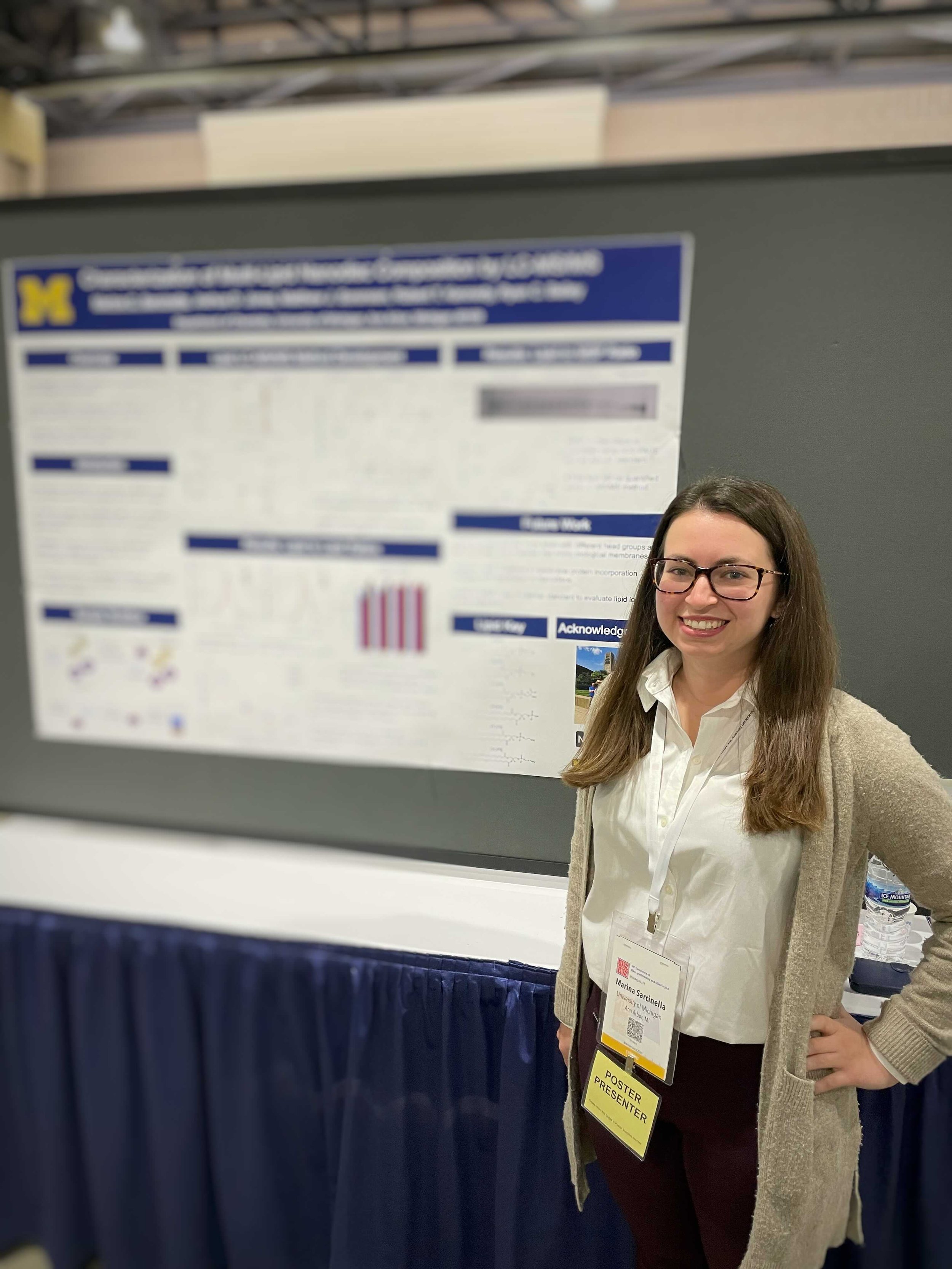
The 69th American Society for Mass Spectrometry (ASMS) Conference on Mass Spectrometry and Allied Topics was held last week and our very own 4th-year graduate student, Marina, was in attendance. Held in Philadelphia, Pennsylvania, this conference brings together scientists to share their original work on the advancement of mass spectrometry techniques, instrumentation, and fundamental work in chemistry, biology, geology, forensics, and physics. Marina presented a poster on her recent work, “Characterization of Multi-Lipid Nanodisc Composition by LC-MS/MS”, which is in collaboration with former Bailey Lab undergraduate researcher and current UM graduate student, Josh Jones. Marina had fruitful conversations with both professors and graduate students, attended many research talks, and even enjoyed exploring the rival city of her alma mater (University of Pittsburgh). Pictured below are Marina and Josh next to the original electrospray ionization instrument from the Fenn lab at the Science History Institute!